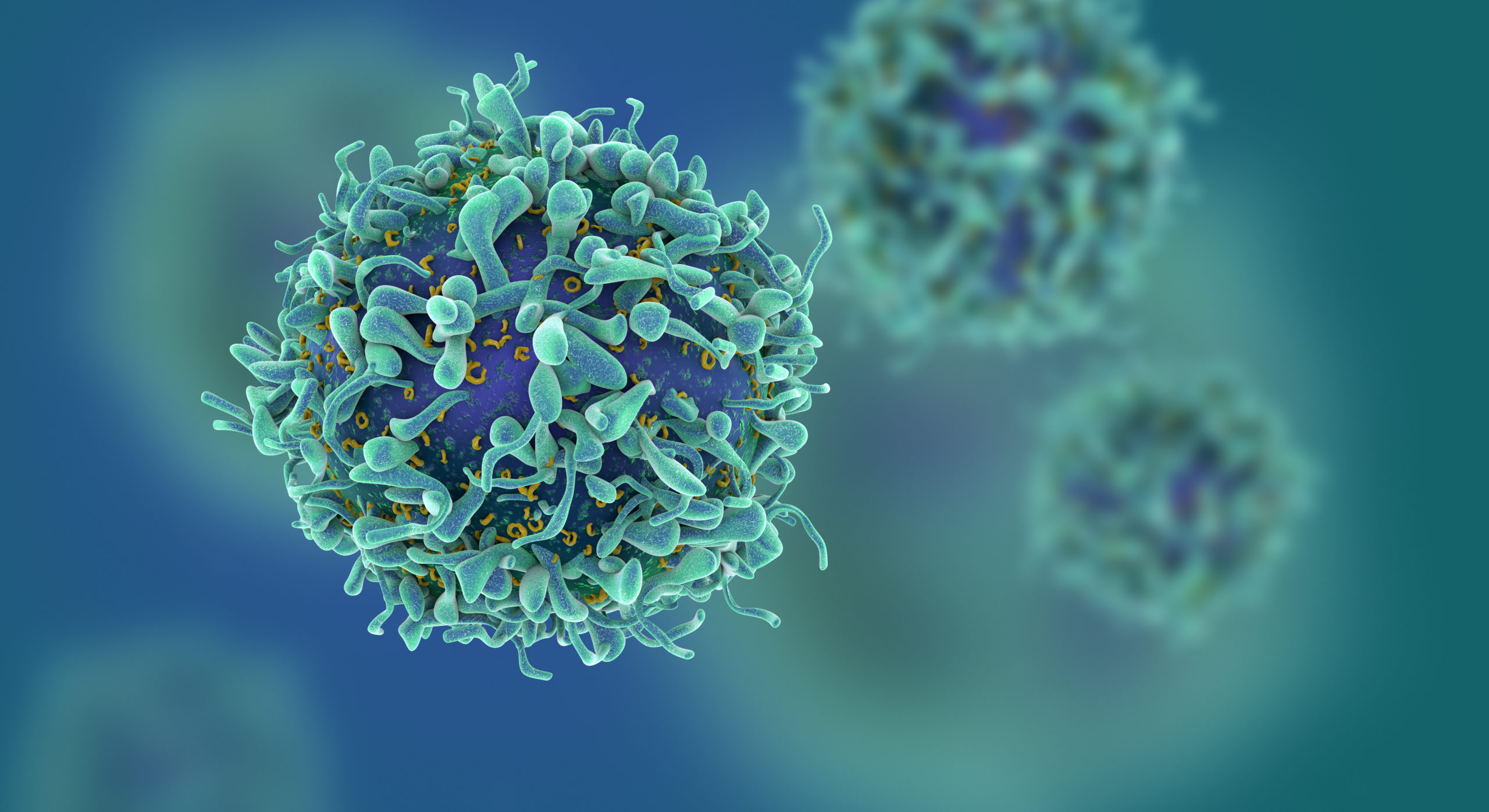
"Immune checkpoint blockade is a type of immunotherapy that blocks immune cell checkpoint receptors from binding with their ligands on the surface of cancer cells, preventing these proteins from "turning off" T-cells, which allows cytotoxic T-cells to attack cancer cells. Despite the treatment transforming the standard of care for cancer, this approach has been shown to be effective in only a small subset of patients."
"Previous work has shown that decreased expression of MHC-I molecules in cancer cells, which under normal conditions present neoantigens (proteins that form on cancer cells) to immune cells, contributes to immune checkpoint blockade therapy resistance. The underlying molecular mechanisms promoting therapy resistance, however, have remained elusive. "This is very important because if we know how to restore MHC-I mediated neoantigen presentation, we can target it and reverse this process and trigger the immune response," Fang said."
Immunostaining of pre-treatment lung tumor biopsies identified USP22 as a key contributor to immune checkpoint blockade resistance. USP22 suppresses MHC-I molecule expression and impairs neoantigen presentation to CD8 T-cells, limiting cytotoxic T-cell activation. Decreased MHC-I expression contributes to checkpoint therapy failure. Genetic inhibition of USP22 in lung, breast, and colon cancer mouse models restored MHC-I–mediated neoantigen presentation and enhanced antitumor immune responses. Targeting USP22 may reverse immune evasion and improve responses in patients who do not benefit from existing checkpoint blockade therapies. USP22 therefore represents both a biomarker of resistance and a potential therapeutic target.
Read at News Center
Unable to calculate read time
Collection
[
|
...
]