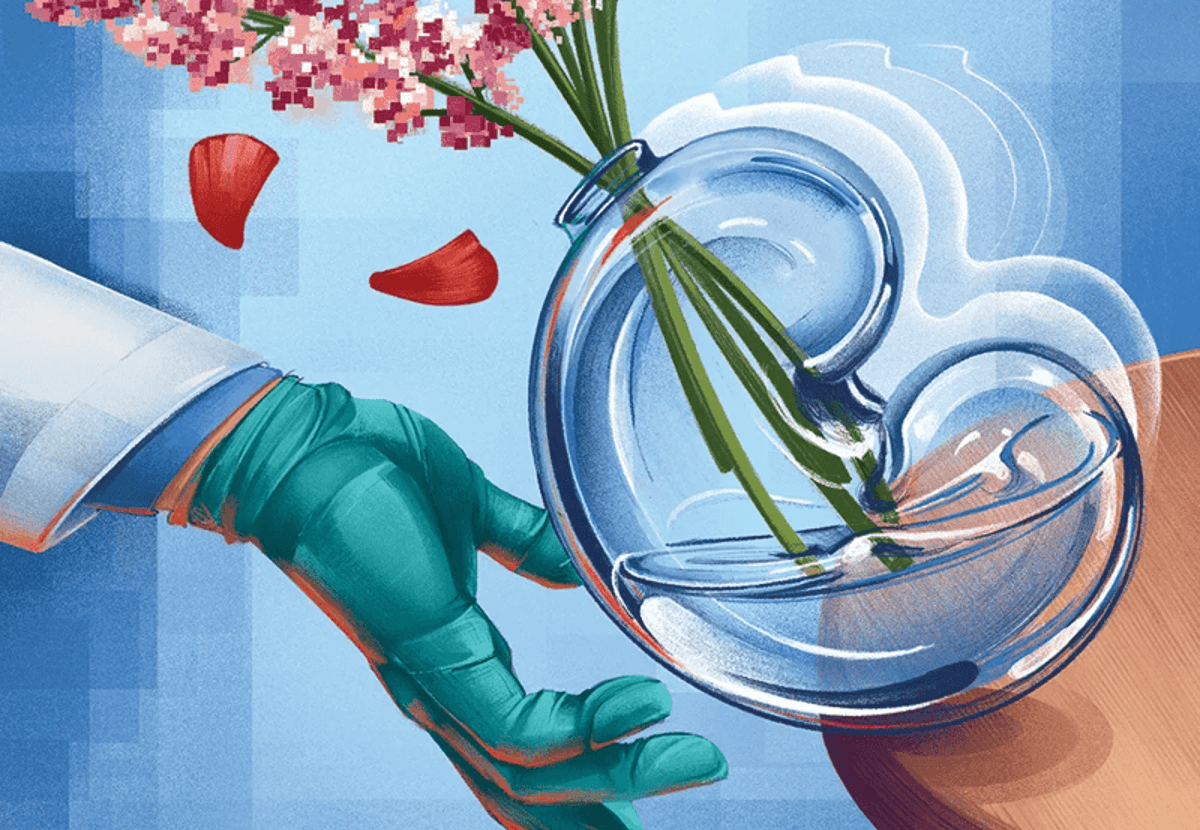
"Acute kidney injury (AKI) is a sudden change in the kidneys' ability to filter waste products from the blood, and it affects approximately one in 10 hospitalized patients—a number that jumps to more than five in 10 for those in intensive care. But the condition often causes no pain or discomfort, and clinicians have few warning signs."
"Drugs, including common antibiotics and painkillers, may treat ailments such as infections but harm the kidneys and worsen the overall problem. By the time blood levels of creatinine—a protein the kidneys typically remove—are high enough to grab a clinician's attention, it's often too late. Irreversible kidney damage has already begun."
"Because of the multitude of possible causes, identifying the real reason for drug-induced AKI in hospitalized people can be incredibly complex, and the condition is still underrecognized."
Acute kidney injury (AKI) affects approximately one in ten hospitalized patients and more than five in ten in intensive care units. Many cases result from prescribed medications rather than direct disease. Common drugs including antibiotics and painkillers can harm kidney function while treating other conditions. AKI causes no pain or discomfort, making early detection difficult. By the time creatinine levels become elevated enough to alert clinicians, irreversible kidney damage has often already begun. The complexity of identifying drug-induced AKI causes it to remain underrecognized. Historically, clinicians assumed kidneys would heal after patients stopped problematic medications and recovered from hospitalization.
#drug-induced-kidney-injury #acute-kidney-injury #medication-safety #nephrology #hospital-complications
Read at www.scientificamerican.com
Unable to calculate read time
Collection
[
|
...
]