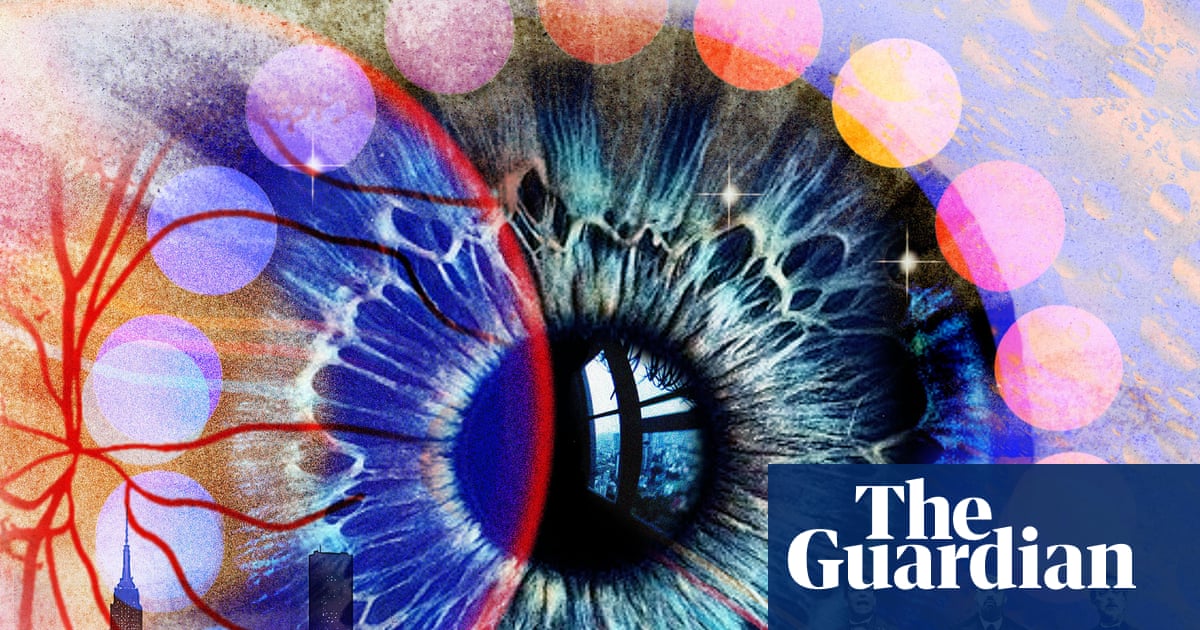
I began losing sight in my 40s and was diagnosed with retinitis pigmentosa at 44, a genetic condition that destroys retinal cells. I worked as an architect and loved reading, drawing, cinema and art, so visual decline made everyday cultural activities difficult. By 50 a year of intense stress coincided with rapid vision loss, reducing my field to 5–10 degrees and leading to registration as blind. I hid my impairment at work, resisted using a white stick, and experienced identity loss and withdrawal from cultural life. Three years later a theatre performance unexpectedly restored a powerful sense of seeing.
"I had always been a very visually oriented person: I was a practising architect, and someone who loved to read, draw, go to the cinema and visit art exhibitions. So when black text disappeared on a glaring white page, films became impossible to follow and artworks only took shape once explained to me, I questioned who I would be without my vision."
"Around the age of 50, I had a particularly stressful year: I got divorced; dissolved my business; started a new job; moved house; and my dad died. As my life fell off a cliff, so did my eyesight, so that by 2015 my field of vision had decreased to only 5-10 degrees (a healthy average person's is about 200 degrees). I was registered blind, but for a long time I lived in denial, not telling anyone how much vision I had lost."
"I was in survival mode, focusing on putting one foot in front of the other, hoping I wouldn't get found out. I refused to see myself as disabled, and resisted using a white stick, but once I eventually did, I found people saw my disability before they saw me. I felt a total loss of identity. And I stopped doing the cultural things that once brought me joy."
Read at www.theguardian.com
Unable to calculate read time
Collection
[
|
...
]