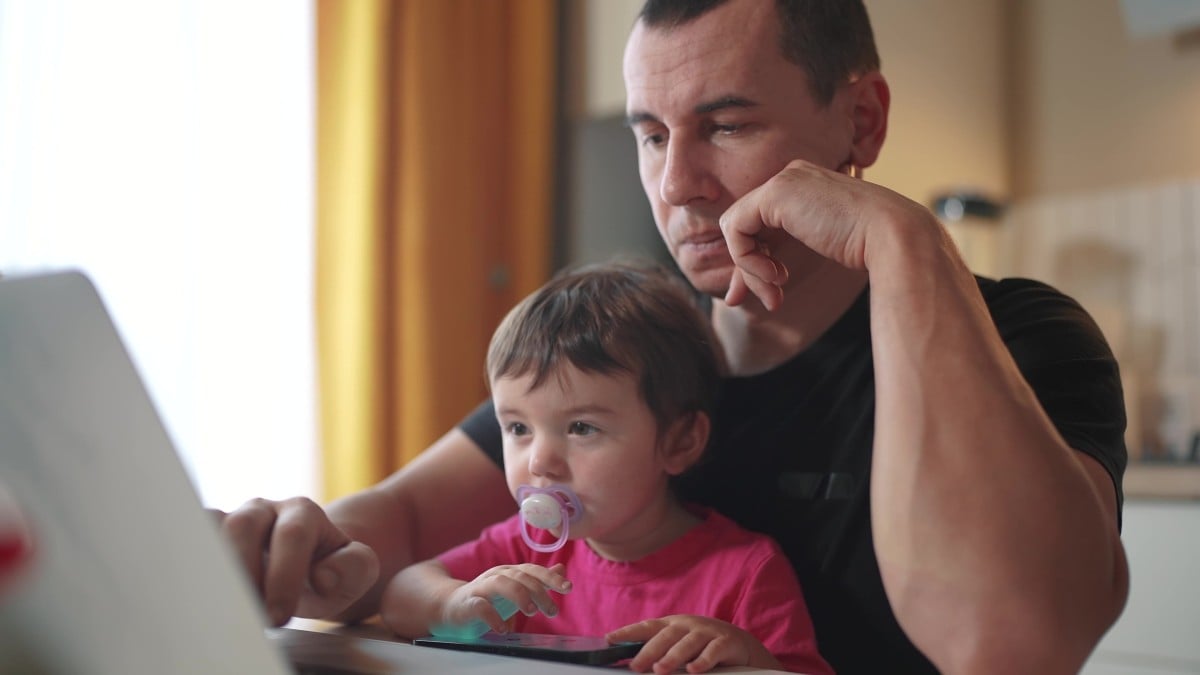
"A group of Singaporean researchers who studied a cohort of 168 children for more than a decade found that those exposed to screens in infancy (before two years of age) showed accelerated maturation of brain networks involved in visual processing and cognitive control. That faster specialization, the researchers suggest, was associated with slower decision-making in childhood, and in turn, higher anxiety symptoms in adolescence."
""During normal development, brain networks gradually become more specialised over time," according to the study's lead author Dr. Huang Pei. "However, in children with high screen exposure, the networks controlling vision and cognition specialised faster, before they had developed the efficient connections needed for complex thinking." The result, Huang said, is limited brain flexibility and mental resilience, leaving children less adaptable later in life, as evidenced by higher anxiety scores in cohort kids who had more screen time before age 2."
A Singaporean cohort of 168 children was followed for over a decade, with infant screen exposure measured by parental report and MRI scans at ages 4.5, 6, and 7.5. Infants exposed to screens before age two displayed accelerated maturation of brain networks responsible for visual processing and cognitive control. That premature specialization occurred before efficient connections for complex thinking had formed, correlating with slower decision-making in childhood. Slower decision-making was linked to higher anxiety symptoms during adolescence. Faster network specialization is associated with reduced brain flexibility and mental resilience, and with greater adolescent anxiety scores.
Read at Theregister
Unable to calculate read time
Collection
[
|
...
]