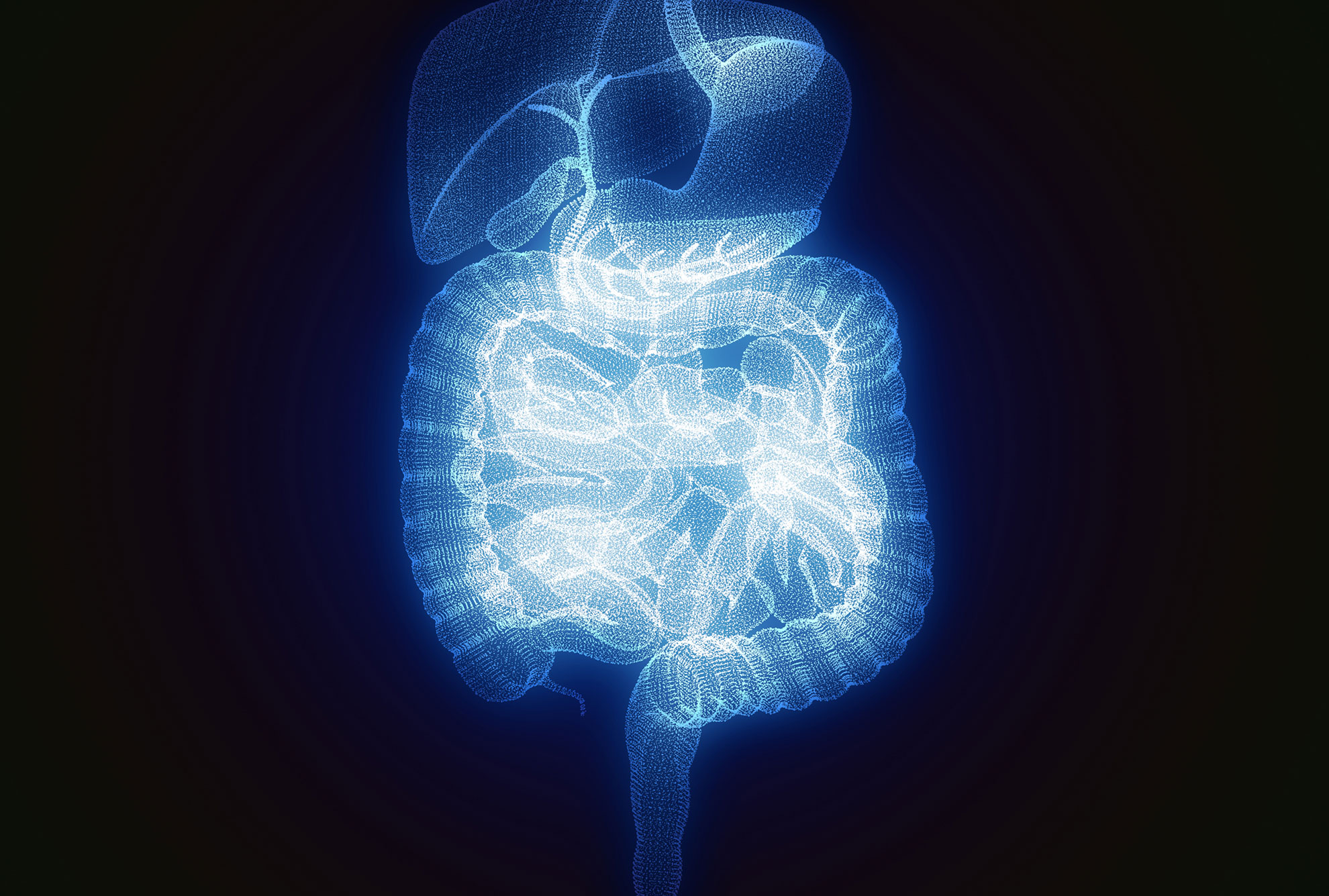
Stress can tighten the stomach and slow digestion. Symptoms may resolve quickly for some people, but constipation-predominant irritable bowel syndrome and related conditions can persist. A study identifies a newly defined pathway in the enteric nervous system that stress hormones interfere with, leading to slowed digestion. The enteric nervous system, often called the “second brain,” coordinates gut movement and digestion and can act without brain or spinal cord input, but it receives signals from the rest of the nervous system. Prior evidence showed stress hormones disrupt enteric signaling in IBS, but the mechanism and reversibility were unclear. Restoring the disrupted pathway improved gut function in preclinical models, suggesting a potential target for IBS treatments.
"When stress affects the gut, the stomach tightens, digestion slows. For some, these symptoms resolve quickly. For others - particularly people with constipation-predominant irritable bowel syndrome (IBS-C) and related conditions - they don't."
"The researchers' work centers on the enteric nervous system (ENS), often called the "second brain" of the gastrointestinal tract. This network of nerves in the gut controls how food moves through the digestive system, and can coordinate digestion on its own, without input from the brain or spinal cord. However, the ENS is connected to the rest of the nervous system and does receive signals from the outside world, meaning the stressors big and small can override its normal functions."
"Scientists already knew that stress hormones can disrupt ENS signaling and had demonstrated a disrupted signaling pathway in patients with irritable bowel syndrome (IBS). What was not clear was exactly how that disruption happens or whether it could be reversed. In the new study, the researchers show exactly how stress interferes with the pathway and demonstrate that restoring it improves gut function in preclinical models, identifying it as a promising target for new IBS treatments."
"Specifically, Kulkarni and colleagues found that stress hormones suppress the gut"
Read at Harvard Gazette
Unable to calculate read time
Collection
[
|
...
]