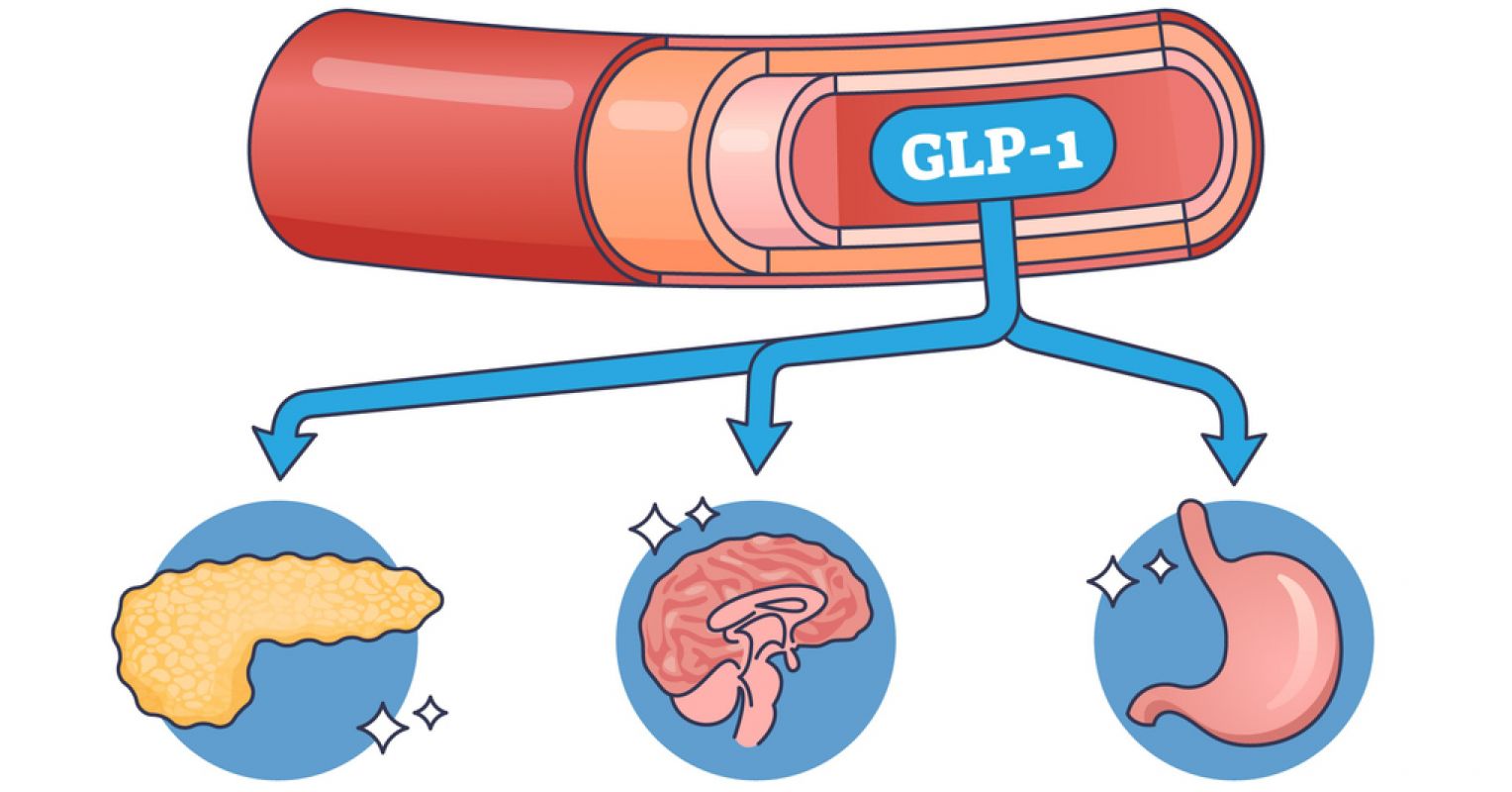
"What began as an unexpected observation and "side effect" of some medications converged with decades of addiction neuroscience: GLP-1 receptor agonist medications like Ozempic apparently reduce alcohol craving, drinking intensity, and relapses. If you or someone close to you struggles with alcohol use, it may help to know that medication originally developed for diabetes and obesity-semaglutide or other glucagon-like peptide-1 (GLP-1) receptor agonists-may one day become a treatment for alcohol use disorder (AUD)."
"For 40+ years, my work and that of others supported the view that addiction is a disorder of maladaptive dopaminergic learning. Our understanding was that drugs of abuse hijacked parts of the brain. The model wasn't wrong, but was incomplete. Emerging evidence now shows addiction isn't exclusively a disorder of synapses and dopamine. Instead, addiction involves many systems, including gut sensory signaling, endocrine modulation, immune tone, microbiome-dependent stress regulation, and central reward circuitry. This has been reinforced by anti-addiction findings for GLP-1s."
GLP-1 receptor agonists originally developed for diabetes and obesity appear to reduce food, alcohol, and cocaine intake and may improve behavioral addictions. These medications apparently reduce alcohol craving, drinking intensity, and relapses and could become pharmacotherapy for alcohol use disorder (AUD). Addiction involves more than maladaptive dopaminergic learning and synaptic changes; it also engages gut sensory signaling, endocrine modulation, immune tone, microbiome-dependent stress regulation, and central reward circuitry. GLP-1 signaling links metabolism and reward, and gut-brain communication via the vagus nerve allows gut health to influence mood, anxiety, and neurodegenerative conditions.
Read at Psychology Today
Unable to calculate read time
Collection
[
|
...
]