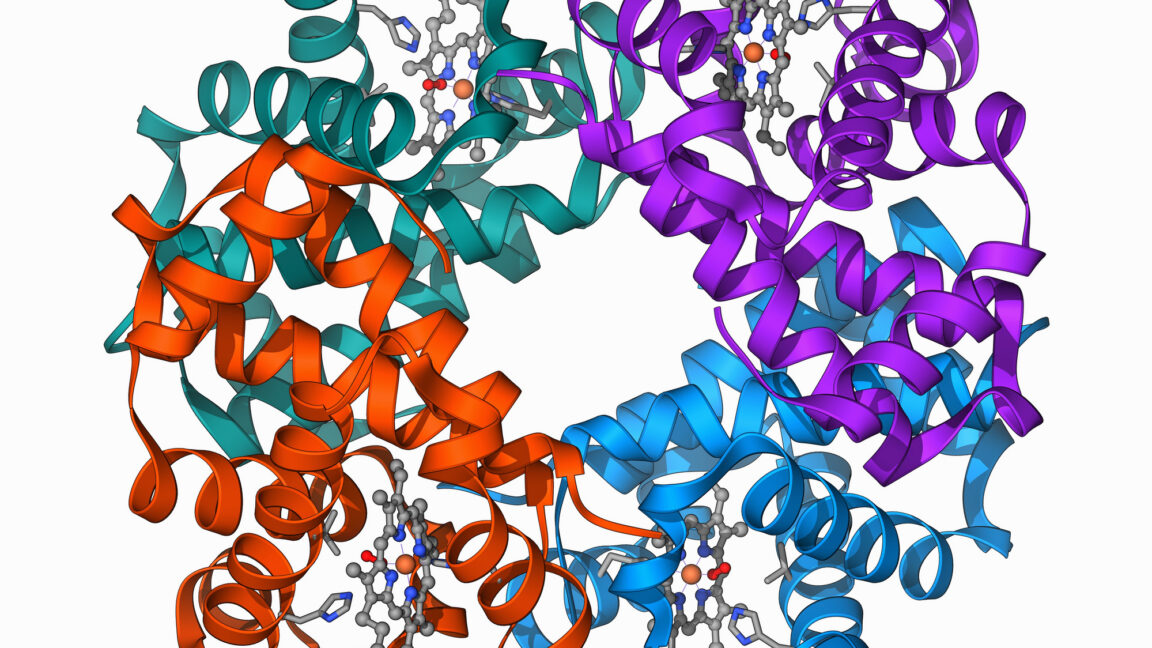
Researchers have developed an enhanced gene editing system that allows for more precise modifications with fewer errors. This system has been utilized to create a therapy for β-Thalassaemia, a condition related to sickle-cell anemia. The CRISPR/Cas9 technology, which provides a method for targeted gene editing, has been recognized for its potential in human applications. The FDA's approval of the first CRISPR-based therapy for sickle-cell anemia marked a significant milestone in gene therapy advancements.
"The CRISPR/Cas-9 system provides bacteria with a form of immunity. It uses specially structured RNAs (called guide RNAs) that can base-pair with a targeted sequence. The Cas-9 protein then recognizes this structure and cuts the DNA nearby."
"Gene editing takes advantage of the fact that the DNA repair systems in cells will often chew back the ends of these cuts before linking them back together again, leading to small deletions that can disable genes."
"The improved gene editing system produces more focused changes and fewer mistakes, allowing for the development of therapies that address diseases like β-Thalassaemia."
Read at Ars Technica
Unable to calculate read time
Collection
[
|
...
]