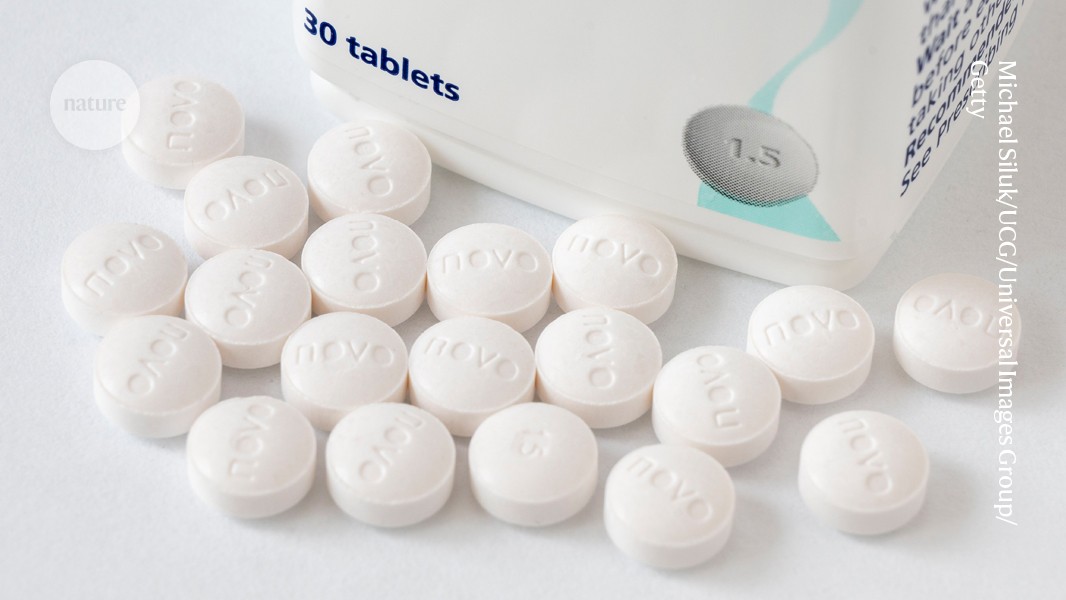
Pharmaceutical companies are developing oral versions of GLP-1 receptor agonist drugs to address the needle-injection requirement of existing weight-loss medications. Orforglipron, made by Eli Lilly, is expected to receive US regulatory approval by April, while a pill version of semaglutide already gained approval in December. Clinical trials show orforglipron produces approximately 11% body weight loss and oral semaglutide achieves nearly 14% weight loss after one year at maximum dosage. However, injectable GLP-1 drugs like Zepbound demonstrate superior results, achieving up to 21% body weight loss. Experts suggest oral formulations will complement rather than replace injectable options due to developmental challenges inherent to oral peptide delivery.
"After around one year of treatment at the highest dosage, people taking orforglipron lost, on average, about 11% of their body weight, and those taking semaglutide pills lost almost 14%. But it's uncertain whether pills could one day replace the GLP-1 pens that have become a weight-loss staple."
"It's encouraging, and it's fantastic to have double-digit weight loss with a pill. But so far, rather than replace, I would say they're going to complement the options that we have."
"The drugs are composed of peptides, which are relatively large molecules. Because of their size, digestive enzymes quickly break them down, and the intestinal lining limits their entry into the bloodstream."
#glp-1-receptor-agonists #oral-anti-obesity-medications #weight-loss-drug-development #pharmaceutical-innovation #injectable-versus-oral-drug-delivery
Read at Nature
Unable to calculate read time
Collection
[
|
...
]