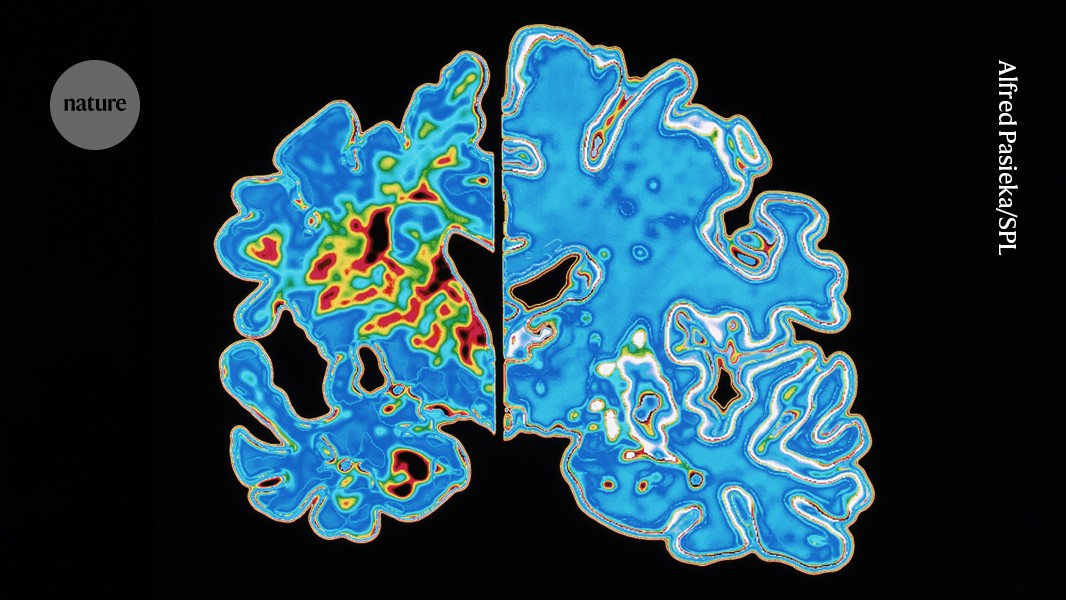
An abnormal form of the protein tau circulates in the blood and begins accumulating in the brain well before Alzheimer's symptoms such as memory loss appear. A blood test that measures this tau shows potential to act as a molecular clock to predict both whether and when Alzheimer's symptoms will develop. Early prediction could enable intervention at stages when treatment is more likely to be effective and provide a measurable biomarker to simplify and reduce the cost of clinical trials. Brain imaging can detect tau tangles but is cumbersome and expensive. In-home blood tests for this tau exist, but testing cognitively unimpaired individuals is not recommended until further validation.
"A simple blood test might one day serve as a molecular 'clock' that predicts not only whether someone will develop Alzheimer's disease - but when. The test, published in Nature Medicine on 19 February, is based on an abnormal form of a protein called tau that circulates in the blood, and begins to accumulate in the brains of people with Alzheimer's well before symptoms such as memory loss appear."
"But until further studies are done, people should not take the test themselves, says Suzanne Schindler, a neurologist at Washington University School of Medicine in St. Louis, Missouri, and lead author of the study. (In-home blood tests for the form of tau that the study focuses on are available to consumers.) "At this point, we do not recommend that any cognitively unimpaired individuals have any Alzheimer's disease biomarker test," Schindler adds."
Read at Nature
Unable to calculate read time
Collection
[
|
...
]