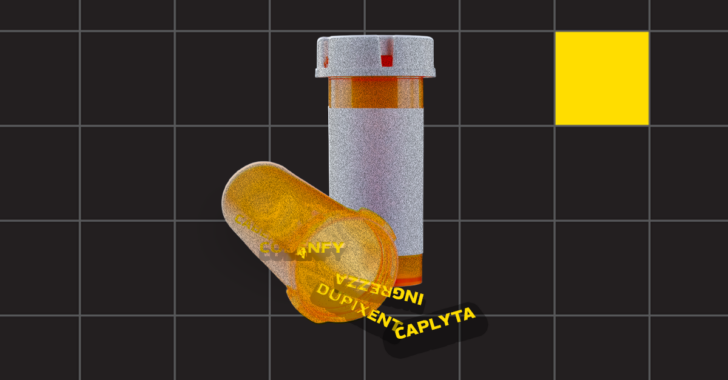
"Brand Institute, a single company, helps name more than 75 percent of the new drugs that reach the market in a given year. For each project, a small team generates hundreds of candidates, pulling raw material from foreign language dictionaries, anagrams, fragments of the generic compound, the drug's mechanism of action. Where they land depends on the angle they choose. Lunesta works because of the lunar imagery plus the echo of "siesta." Ambien breaks down to A.M. and "bien" (good morning). Belsomra folds in "belle" and "somnus," the Latin word for sleep. Same section of the drug store, three different ways of getting at the same idea."
"Arlene Teck, a veteran namer with more than thirty years in the industry, works more by instinct. In 1992, assigned to name a drug for enlarged prostate, she ran a focus group with urologists. One doctor's phrase stuck: visualize a strong stream. A strong stream would be vigorous. The most vivid stream she could think of was Niagara. Vigorous + Niagara = Viagra. That name was never used for the prostate drug. It sat in a bank until Pfizer needed it for a different compound whose clinical trial had turned up a far more marketable side effect."
"The big bang of pharmaceutical naming came in 1988 with Prozac: short, punchy, all marketing and no indication of what the drug did. That year, 17 drugs were approved by the FDA for therapeutic use. Last year, almost 50. The number of letters in the alphabet has not increased to match. The FDA regulates what drugs are called as wel"
Drug brand names often sound scrambled because they are built from deliberate linguistic components rather than random selection. A major naming firm generates hundreds of candidate names for each project, drawing from foreign dictionaries, anagrams, fragments of generic compounds, and the drug’s mechanism of action. Different naming angles produce different results for similar concepts, such as sleep-related imagery and Latin roots. Naming relies on both structured inputs and human instinct, including feedback from medical professionals. A historical example shows how a vivid clinical metaphor can lead to a name that later becomes usable for a different compound. Naming accelerated with Prozac, and approvals have increased faster than the available alphabet.
Read at 99% Invisible
Unable to calculate read time
Collection
[
|
...
]