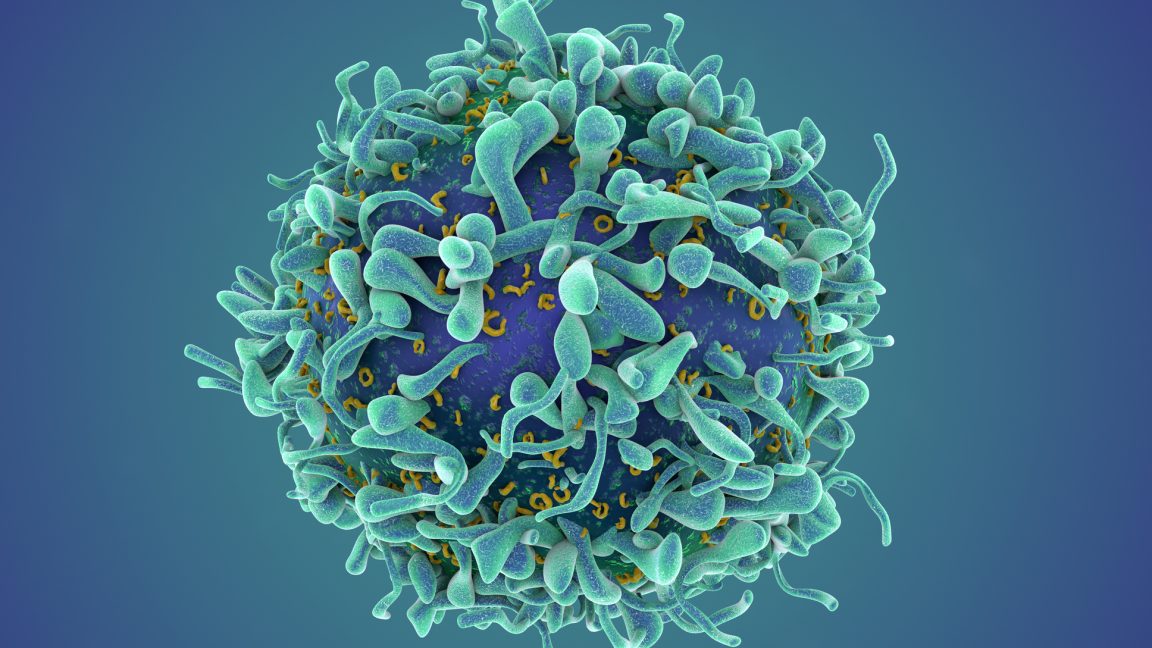
"Originally designed to target and wipe out cancer by reprogramming the patient's immune cells, CAR T is now being offered to patients in hundreds of clinical trials for autoimmune conditions like multiple sclerosis, lupus, Graves' disease, vasculitis, and many others. The hope is that CAR T can duplicate the success it has demonstrated in a range of blood cancers by hunting down and eliminating cells that target the self in autoimmune diseases. This would essentially reset the body's defenses to a state like the one that existed before the disease took hold."
"But along with CAR T's promise come risks, questions, and challenges. There's uncertainty about how well it will work for autoimmunity and how long any benefits might last, as well as what long-term side effects might arise. Janisch-Hanzlik knew this when she sat down to receive the experimental treatment on June 9, 2025; she felt a mix of hope and fear knowing that she would be spending the next week being monitored for side effects including dangerous inflammation."
"Even the best available medication wasn't improving Janisch-Hanzlik's symptoms, and she worried they'd only get worse. So when she learned about a trial of CAR T cell therapy at the University of Nebraska Medical Center in Omaha, close to the city of Blair where she lives, she phoned the clinic every other month until they were ready to enroll her as the first patient."
"At age 49, Jan Janisch-Hanzlik's multiple sclerosis was destroying her freedom to live the life she wanted. She gave up her active nursing job for a desk role. Frequent falls made her afraid to carry her grandchildren. She had to move to a bigger house to make room for the wheelchair she feared she might end up needing full-time."
Jan Janisch-Hanzlik, 49, has multiple sclerosis that has reduced her mobility and independence despite the best available medications. She left an active nursing role, became afraid of falls, and moved to accommodate a potential need for a wheelchair. After learning about a CAR T cell therapy trial at the University of Nebraska Medical Center, she repeatedly contacted the clinic until enrollment. CAR T was originally designed to target cancer by reprogramming immune cells, and it is now being tested in many clinical trials for autoimmune conditions such as multiple sclerosis, lupus, Graves’ disease, and vasculitis. The goal is to eliminate immune cells that attack the body and reset defenses to a pre-disease state, while monitoring for dangerous inflammation and addressing uncertainty about effectiveness, duration, and long-term side effects.
Read at Ars Technica
Unable to calculate read time
Collection
[
|
...
]