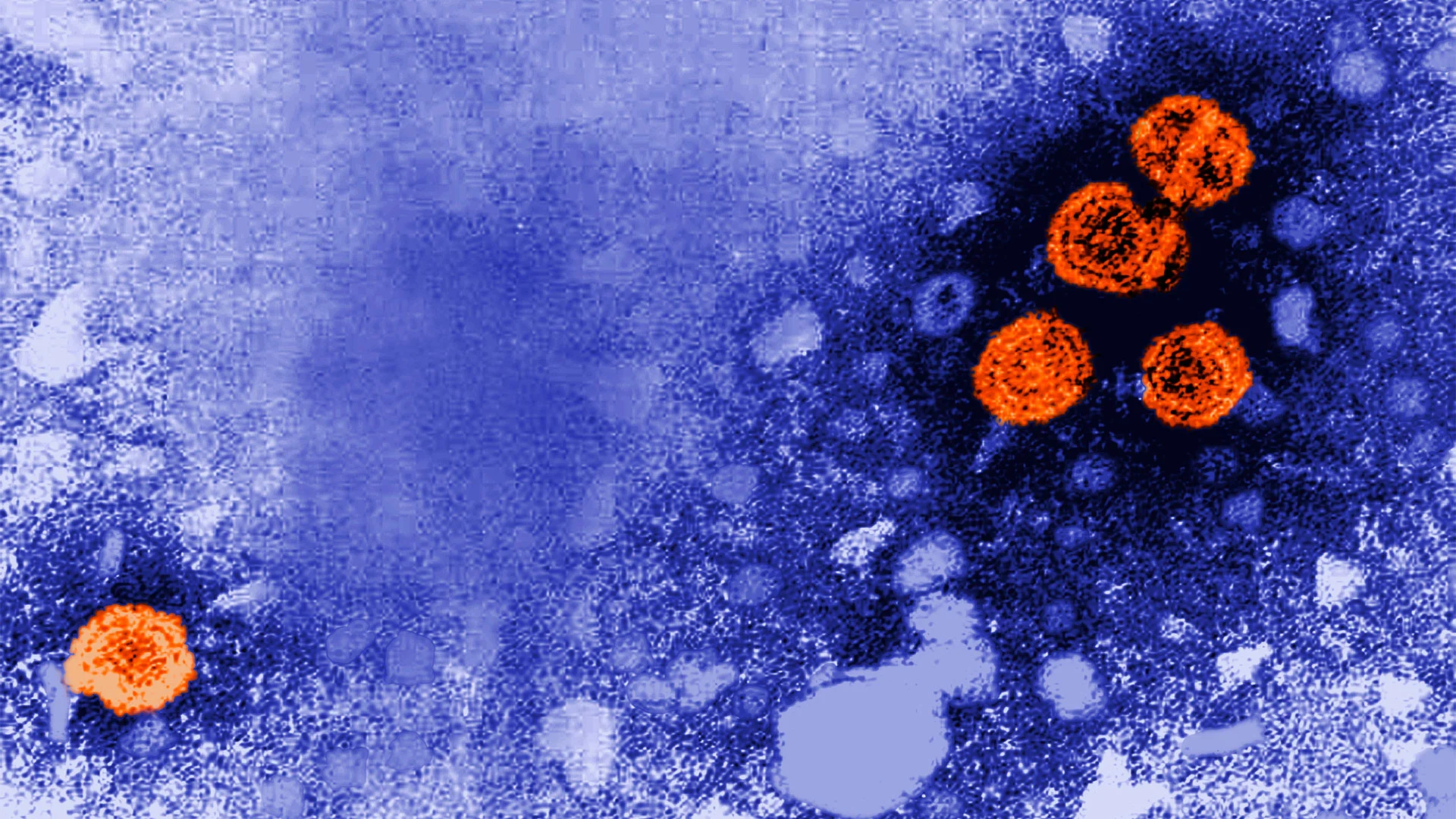
Bepirovirsen, an experimental hepatitis B drug, produced a functional cure in some patients by reducing hepatitis B virus levels to a range low enough for the immune system to keep the infection in check. Two international studies found that about one in five treated patients achieved this remission-like state. Chronic hepatitis B can lead to liver cancer or liver failure and causes substantial global mortality. Current therapies often require long-term adherence and access can be difficult. The findings were published in the New England Journal of Medicine, and experts described the results as a major step while emphasizing the need to determine how long the benefit lasts. Regulatory reviews are underway in the United States, Japan, China, and Europe.
"In two international studies, about 1 in 5 patients given the experimental drug saw their virus reduced to levels low enough for the immune system to keep in check. “We have not had a treatment which has come to this level of cure,” Dr. Seng Gee Lim of the National University Health System of Singapore, who helped lead the GSK-funded studies, told reporters before presenting the findings at a scientific meeting in Barcelona, Spain. The data also was published Thursday in the New England Journal of Medicine."
"Chronic hepatitis B can cause liver cancer or liver failure, and kills about 1.1 million people around the world each year. Improvements to today's lifelong therapy, which can be hard to stick with or to access in some countries, have been sought for decades. The new findings “represent a major step,” Dr. Anna Lok, a hepatitis expert at the University of Michigan who wasn't involved in the research, wrote in the journal. But she cautioned that more study is needed to see how long that remission-like state lasts."
"The drug is bepirovirsen, nicknamed “bepi” and developed by GSK and Ionis Pharmaceuticals. It is under fast-track review by the U.S. Food and Drug Administration, with a decision expected in October. Regulators in Japan, China and Europe also are considering the drug. Hepatitis B is a serious liver infection spread through contact with blood or other bodily fluids, including childbirth."
"For people who are infected, many have an “acute” illness that lasts several months. But for some - about 1.7 million people in the U.S. and more than 250 million worldwide - it becomes a chronic form that gradually damages the liver. Standard treatments, including daily pills, reduce levels of"
Read at Fast Company
Unable to calculate read time
Collection
[
|
...
]