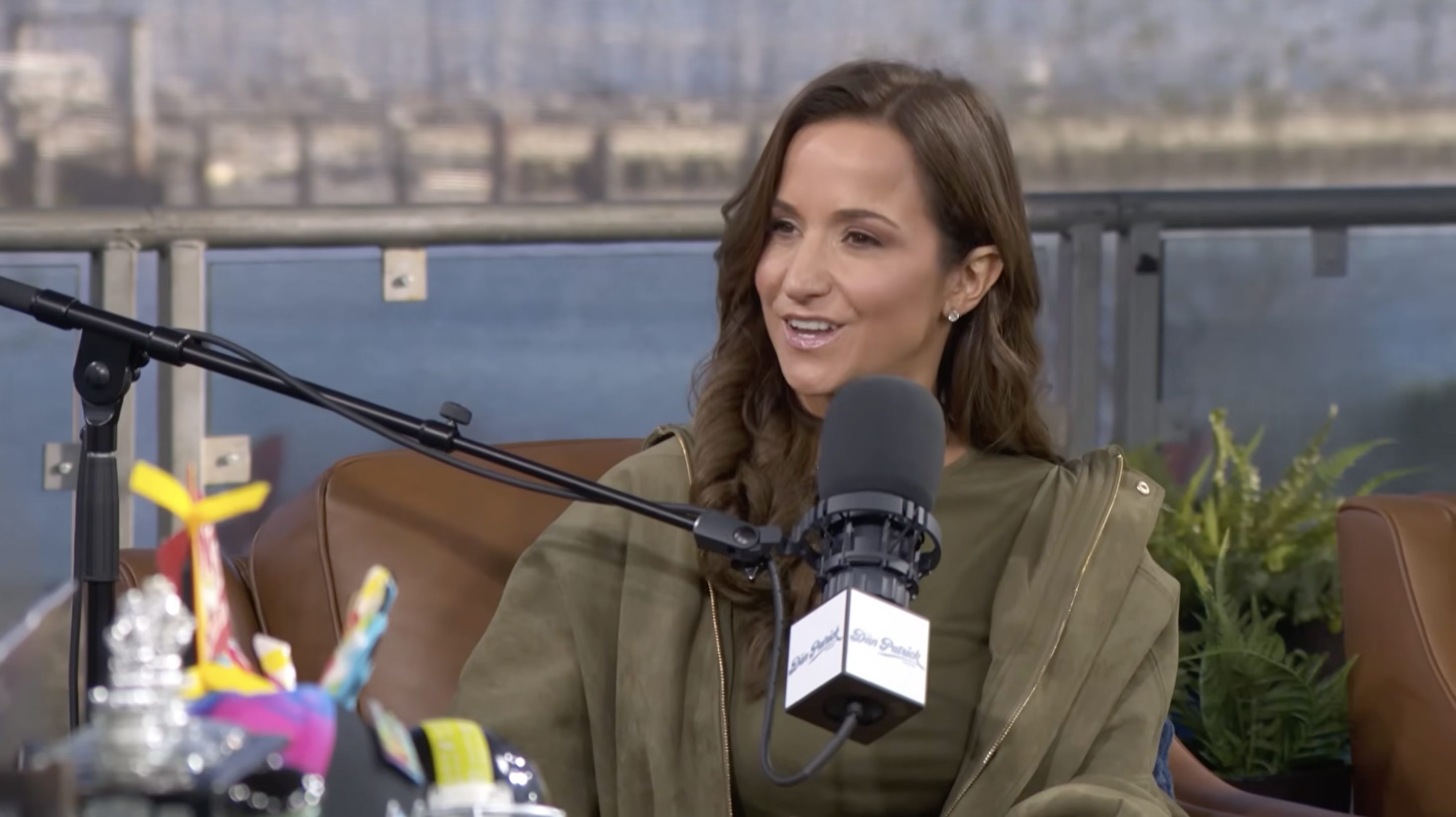
"We called him Mr. Creepy because he constantly asked me out for drinks. He could do this because he was one of the officials on my beat-covering several small cities for the Miami Herald, a typical job for an early-career reporter."
"Asking a young reporter out for drinks over and over no matter how many times she says no, even though you're married, and she can't choose not to be around you wasn't against any city code."
"If anything, saying something would get me moved off my beat, possibly onto one I did not want, and potentially flagged as a complainer. Every other female reporter dealt with it, right? So I dealt with it too."
"There's a lot we don't know about Russini and Vrabel's relationship. We don't know who initiated it or how long it's gone on."
Women in journalism frequently encounter unwanted advances from sources, which can become a normalized experience. One reporter recalls a persistent source, nicknamed Mr. Creepy, who repeatedly asked her out despite her refusals. This behavior, while not against city codes, violates journalistic ethics. Reporting such incidents often leads to negative consequences for the reporter. The situation is highlighted by the case of Dianna Russini, who resigned amid scrutiny over her relationship with an NFL coach, raising questions about professional boundaries in journalism.
Read at Defector
Unable to calculate read time
Collection
[
|
...
]