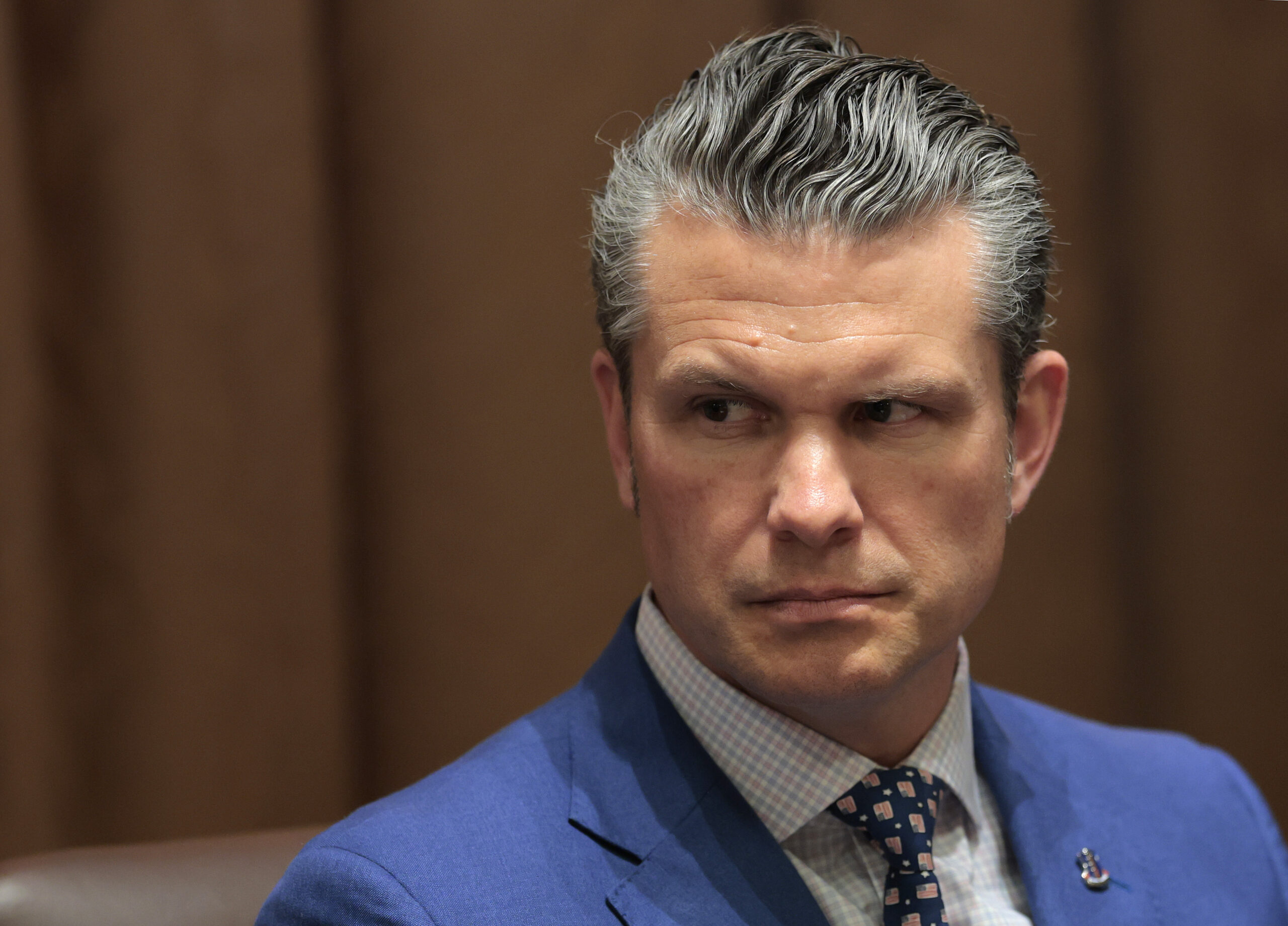
"The Founders envisioned a strong press as a foundational part of our burgeoning democracy. A strong press makes it easier for the public to stay informed of what their representatives are doing and to hold their government accountable if needed. A weak press gets you No War in Ba Sing Se scenarios where the Venn diagram of news sources and propaganda centers is a circle."
"The press policy, enacted last month, requires journalists to acknowledge that they could be branded security risks and have their Pentagon press badges revoked if they ask department employees to disclose classified and some types of unclassified information. Why is the pressure on the journalists to not ask questions that could involve sensitive information and not on the Department employees to keep their damned mouths shut?"
"It is squarely within the job description for journalists to ask tough questions that get at the spirit of what the public needs to know, not lob softballs about how bad the administration's political enemies are. If the government is hiring people who can't be trusted to have tight lips when it comes to classified information, that means they've done a very bad job of vetting their hires."
A robust press enables the public to monitor representatives and hold government accountable. Weak press environments concentrate news and propaganda, undermining democratic oversight. The New York Times sued the U.S. Department of Defense and Secretary Pete Hegseth to compel the Pentagon to abandon a newly enacted restrictive press policy. The policy requires journalists to acknowledge potential branding as security risks and possible revocation of Pentagon press credentials for asking employees to disclose classified and certain unclassified information. Shifting enforcement pressure onto journalists rather than on department employees raises concerns about vetting, scapegoating, and longer-term effects on news access.
Read at Above the Law
Unable to calculate read time
Collection
[
|
...
]