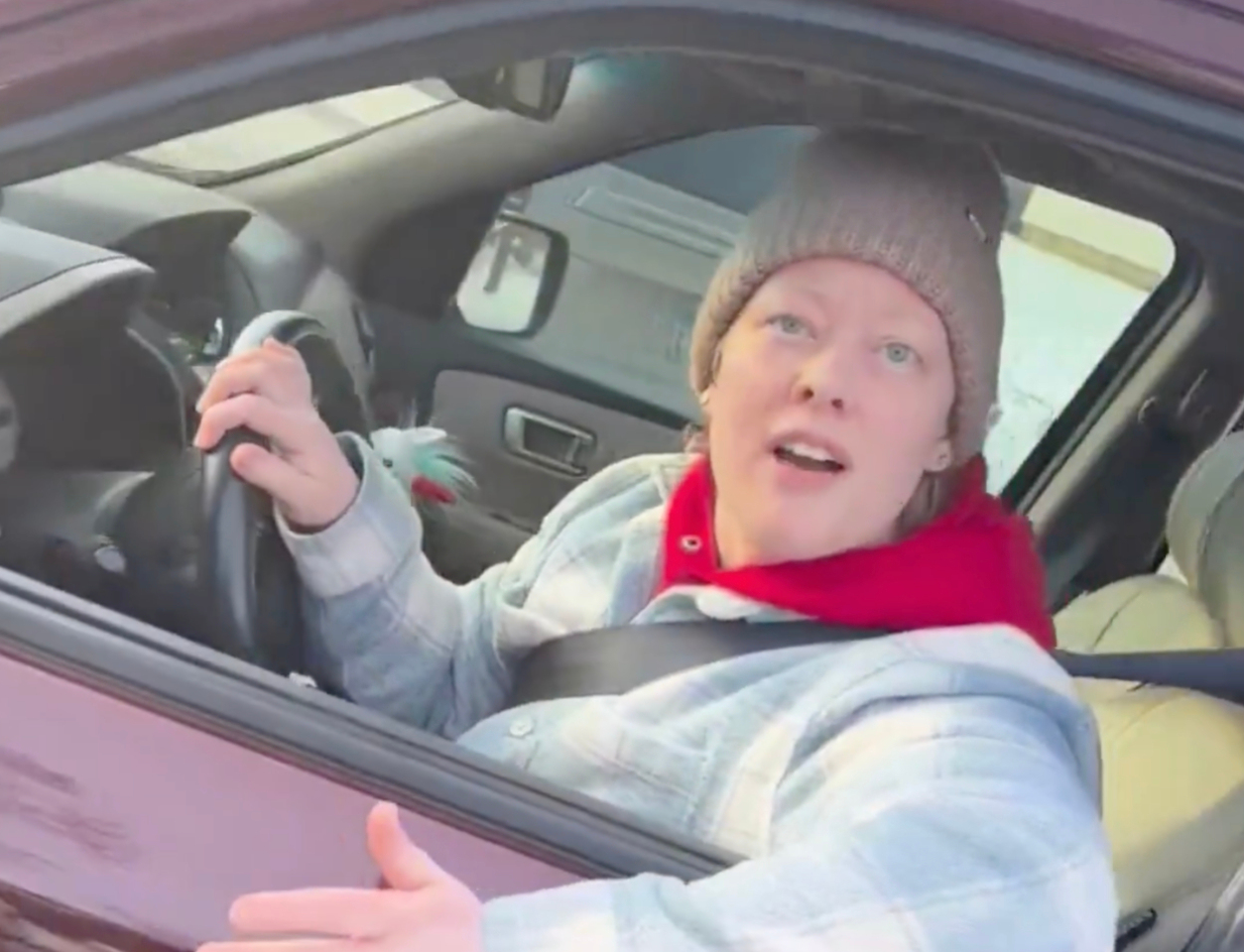
"In the aftermath of the killing of Renee Good, the lines hardened almost instantly. Two camps emerged, each fully convinced the available footage proved its case. One side saw a clear vehicular attack that justified lethal force. The other saw an unjustified killing followed by an official lie. Each accused the other of gaslighting. Each insisted the facts were obvious."
"Good, 37, was shot and killed by an ICE agent in south Minneapolis on January 7 during a federal enforcement operation. Within hours, the Department of Homeland Security said the agent acted in self-defense after Good attempted to run over officers with her vehicle. Videos and eyewitness accounts soon circulated, showing movement of Good's car but leaving both her intent and the perception of the ICE agent who fired three shots unresolved."
"By the time most Americans saw the footage, they had already been told what it showed. Not by investigators, but by the institution that fired the weapon. That head start shaped everything that followed. In a situation defined by incomplete video and a chaotic scene, the first confident narrative did not merely inform the debate. It set the terms. This dynamic is often explained as polarization, which is true but incomplete."
Renee Good, 37, was shot and killed by an ICE agent in south Minneapolis on January 7 during a federal enforcement operation. Within hours, the Department of Homeland Security said the agent acted in self-defense after Good attempted to run over officers with her vehicle. Videos and eyewitness accounts circulated showing movement of Good's car while leaving her intent and the ICE agent's perception unresolved. Local officials rejected the federal account as inaccurate and misleading. The FBI is now leading the investigation, and state authorities report limited access to evidence. Early official narratives quickly set the terms of public debate and deepened polarization.
Read at www.mediaite.com
Unable to calculate read time
Collection
[
|
...
]