"Right now, most of the tech industry has adopted St. Hubbins' line without the irony. Google is embedding AI into Chrome. Tech leaders are declaring the end of websites. Hundreds of links will collapse into single answers, traffic will disappear, the open web gets hollowed out. The future belongs to whoever wins inclusion in the AI's response, not whoever builds the best site."
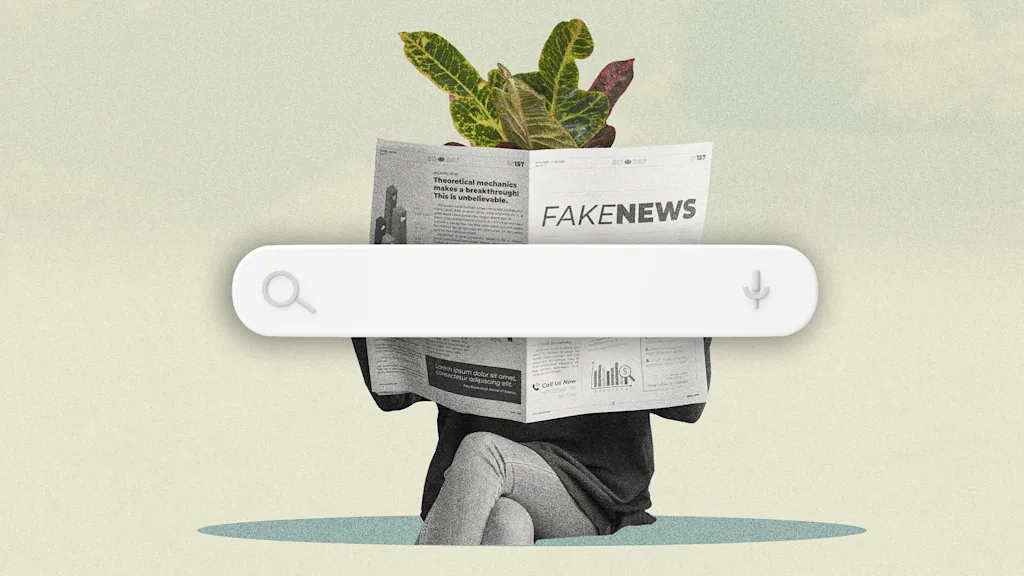
"The fake news crisis taught us something: Polished presentation doesn't equal reliable information. Nice formatting, confident tone, and shareable graphics do not come with a guarantee of truth. We had to relearn basic media literacy. Check the source. Understand methodology. Look for bias. Read multiple perspectives. Think critically. Now answer engines arrive with a seductive promise: "Don't worry about all that. Just trust what we tell you." This is fake news 2.0."
Tech companies are embedding AI into browsers and answer engines, promising single, authoritative responses that could replace many links and websites. Such consolidation could divert traffic away from the open web and concentrate influence in whichever answers an AI chooses to include. Polished presentation and confident tone can disguise errors and bias. Users may be tempted to trust attractive answers without source-checking or methodological scrutiny. Effective media literacy remains necessary: verify sources, assess methodology, identify bias, and consult multiple perspectives. Without continued critical thinking, AI-driven answers risk becoming fake news 2.0 and eroding information quality online.
Read at Fast Company
Unable to calculate read time
Collection
[
|
...
]