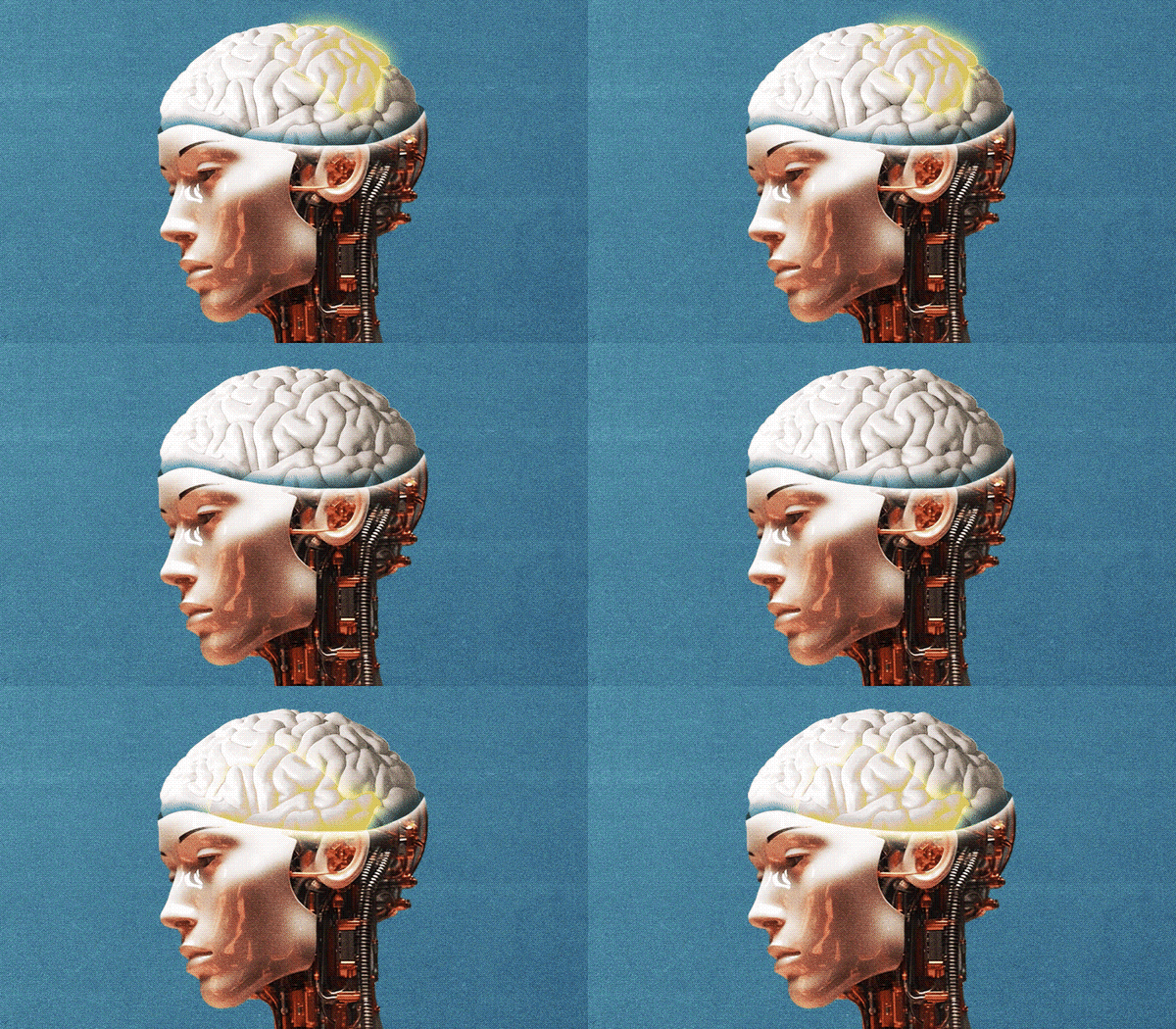
"Neuro-contextual AI allows them to move beyond simply identifying who a consumer is and toward understanding where to reach them, how to capture their attention, why they are engaging and how they feel in a given moment. The technology can interpret meaning, sentiment and emotional tone across text, images and video in real time."
"Using electroencephalography to measure real-time electrical activity in the brain, the study found that neuro-contextually aligned ads generated 3.5 times higher neural engagement than non-contextual placements and produced a 30% lift over standard contextual ads. The ads also drove a 26% increase in positive, approach-oriented emotional responses and sustained viewer focus without fatigue."
"Instead of categorizing content by keywords, these systems analyze signals that indicate interest, motivation and intention. Now, relevance is defined by a user's cognitive state rather than their demographic categories."
Digital advertising traditionally relied on identity graphs and behavioral tracking to target consumers based on past actions. This model faces pressure from declining third-party identifiers and shifting consumer expectations. Neuro-contextual AI represents a fundamental shift, analyzing real-time signals across text, images, and video to understand user interest, motivation, and emotional state rather than demographic categories. Neuroscience research demonstrates that neuro-contextually aligned ads generate 3.5 times higher neural engagement than non-contextual placements and 30% higher engagement than standard contextual ads. These ads also produce 26% more positive emotional responses and maintain viewer focus without fatigue through repeated exposure.
#neuro-contextual-ai #digital-advertising-transformation #cognitive-targeting #neuroscience-research #emotional-engagement
Read at Digiday
Unable to calculate read time
Collection
[
|
...
]