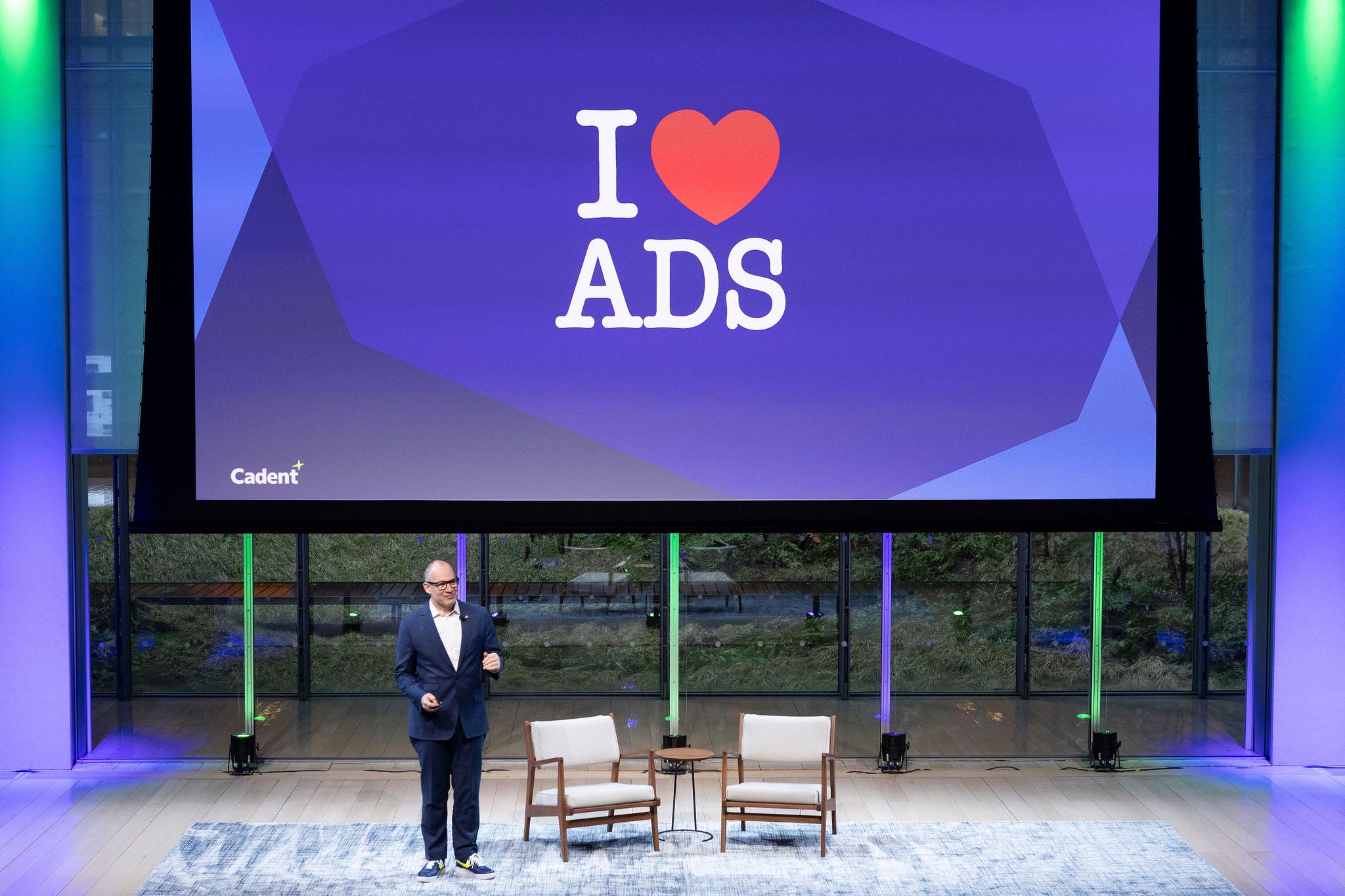
"Somewhere out there, someone watched an ad eight times in a single episode, they then saw that same ad three times across other platforms, maybe two more times across their television that night. This is the change we need to talk about. This is the opportunity for the case for convergence."
"What they're reacting to is the clutter, the notion of ads tracking them, the lack of relevance across all the screens. Consumers aren't rejecting ads outright, but the fragmented experience that creates frustration and diminishes the advertising value proposition across multiple viewing interfaces."
"The ad tech industry criticizes walled gardens while building its own. Customers don't think about whether they are watching linear TV or streaming TV; they watch video. Their world is already converged. The fragmentation that already exists will worsen if we keep working in silos."
Consumers seamlessly navigate multiple screens and platforms, but advertisers remain fragmented, causing excessive ad repetition that frustrates viewers. Cadent's president Doug Rozsen highlighted that viewers encountering the same ad multiple times across different platforms experience annoyance rather than engagement. The core issue stems from industry fragmentation and walled gardens that prevent coordinated advertising. Consumers reject not ads themselves, but clutter, tracking, and irrelevant messaging across screens. Rozsen emphasized that interoperable solutions working together would simplify experiences for both marketers and consumers. Since viewers already experience their world as converged, advertisers must align their strategies accordingly, focusing on relevance and frequency management across all platforms.
#cross-platform-advertising #ad-frequency-management #convergent-tv-strategy #industry-fragmentation #consumer-experience
Read at AdExchanger
Unable to calculate read time
Collection
[
|
...
]