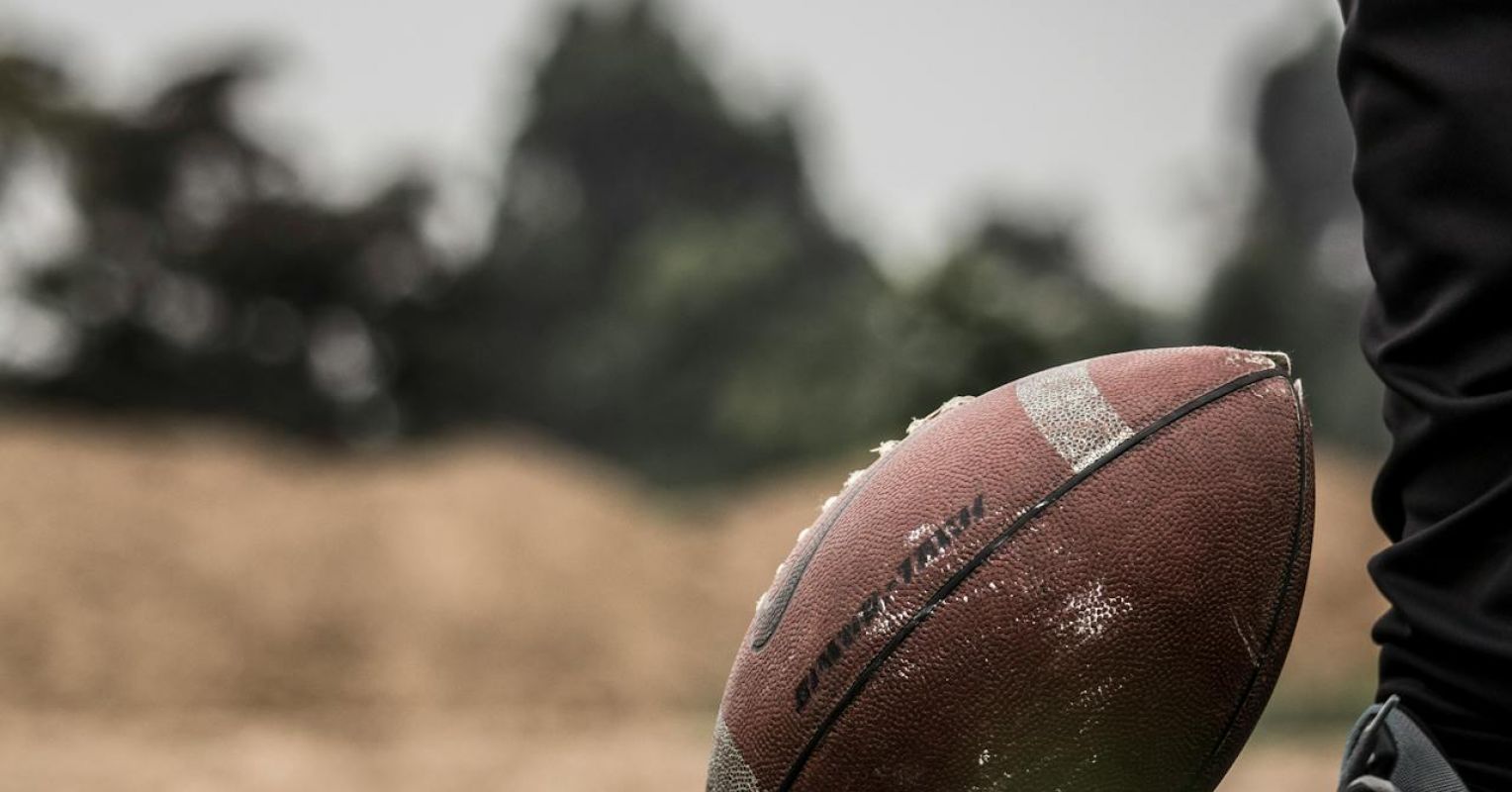
A 2025 "Fan Like a Pro" campaign promotes the infinitive "to fan" and sells official wearables and accessories designed to show allegiance. Jerseys, beanies, hats, jackets, hoodies, sweatshirts, gloves, caps, socks, balaclavas, sweatpants, leggings, baby bibs, barbecue spatulas, backpacks, fanny packs, beer-can cozies and novelty intimate items appear in the product mix. Marketing frames fans as part of the team's identity and even credits them with influence, while practical effects of cheering amount only to noise-related penalties for opponents. The merchandising converts belonging into purchasable signals of loyalty and aspiration.
"In this playoff season, I try to shut my eyes to products featured in commercial time-outs. You've seen them? The cryptic medicines to treat unspecified ailments? The pickup trucks and beer brands that signal ruggedness and romantic success. Or more tempting, the gooey-delectable double-cheese-pepperoni pizzas with yet more cheese stuffed in the crust. But one other caught my ear for novel English usage. Namely, the new infinitive "to fan.""
"The sense of belonging and shared aspiration fuel fandom. Making it clear that fandom goes two ways, however, one sports-celebrity endorser observes: "the fans are really part of the lineup." That is a bit of magical thinking. Fans' cheers and jeers will make it hard for opposing linemen to hear signals, inviting a "false start" that penalizes the opponent 5 yards. But fervent hope will not bend the field-goal kicker's kick even one degree or add a single horsepower to a tush-push."
Read at Psychology Today
Unable to calculate read time
Collection
[
|
...
]