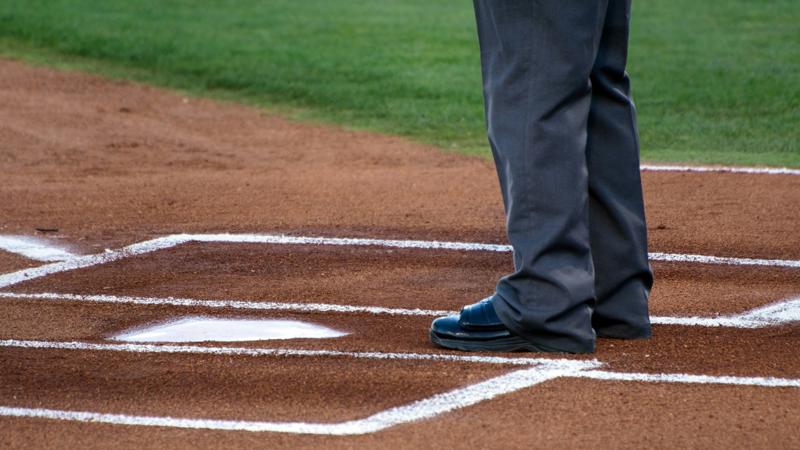
"Here is a man-and hopefully with increasing frequency, a woman-who is tasked with observing a 100 mph fastball (.375 seconds to reach home plate) or sweeper with two feet of horizontal break, in order to determine if that pitch ticked the corner of an invisible box and is thus designated a strike. This person has a split second to make their decision, and then gets to hear a real-time referendum from the home field crowd about whether they got it right, complete with raucous cursing from incensed sports gamblers."
"Few sports romanticize their own traditions and aesthetics as much as baseball does, but the push-pull between doing things the traditional way and, well, getting the calls right has steadily led to the infiltration of technology into the game, in order to correct calls when umpires inevitably blow them. Fans seem to prefer to keep umpires, but they simultaneously want checks on them."
Home plate umpires face one of sports' most demanding jobs, making split-second decisions on pitches traveling at extreme speeds while enduring crowd criticism and gambling-related abuse. Umpires typically spend a decade in minor leagues earning minimal pay before reaching MLB, where they earn roughly a quarter of player minimum salaries. Baseball has historically romanticized its traditions, but the tension between maintaining tradition and ensuring accurate calls has gradually introduced technology into the sport. After instant replay successfully addressed safe-out calls, the question of balls and strikes remained umpires' exclusive domain until the introduction of the Automated Ball-Strike system in 2026, which balances technological advancement with baseball's cherished traditions.
#automated-ball-strike-system #baseball-technology #umpire-tradition #sports-innovation #mlb-modernization
Read at Jezebel
Unable to calculate read time
Collection
[
|
...
]