"I am satisfied on the balance of probabilities that the dominant purpose for these orders making the schemes permanent was the need to safeguard the revenue raised by enforcement. It is fair to say that the officer's report identified tangible, but perhaps modest, road safety and health benefits."
"Taking the relatively modest benefits of the schemes into account together with the mayor's apparent lack of public enthusiasm for the road safety or health case for these schemes, and his clear and repeated comments before and after the vote as to his hands being tied by the budgetary considerations, I am satisfied on the balance of probabilities that the dominant purpose for these orders making the schemes permanent was the need to safeguard the revenue raised by enforcement."
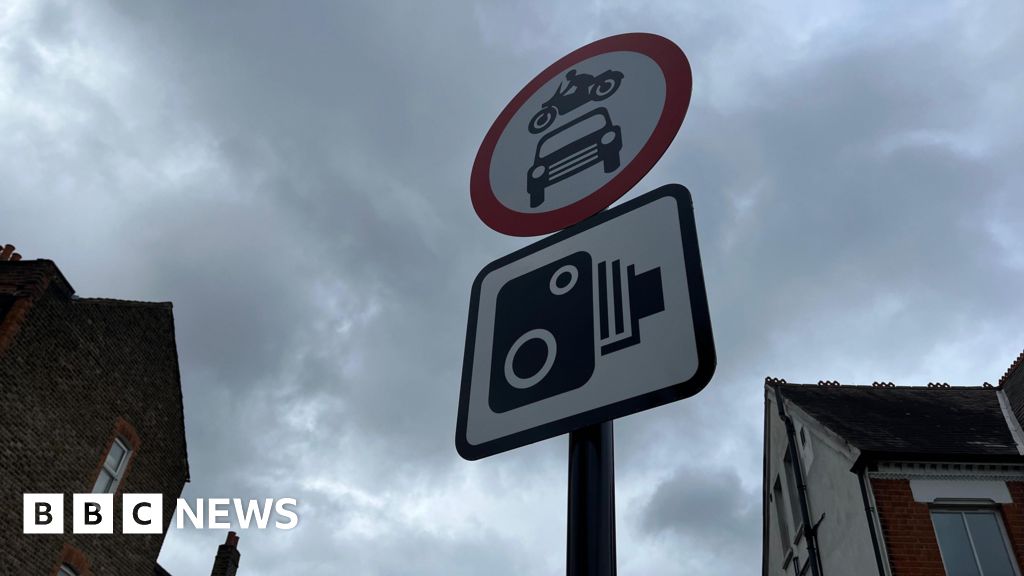
The High Court quashed six Low Traffic Neighbourhoods (LTNs) established by Croydon Council, determining they were implemented primarily to raise revenue through enforcement rather than achieve legitimate traffic reduction goals. LTNs use cameras, planters, and bollards to restrict vehicle access in residential areas. The judge found that while the schemes offered modest road safety and health benefits, the council's dominant motivation was safeguarding enforcement income. The Conservative mayor initially opposed the schemes but reversed his position after taking office due to budgetary constraints, as the previous administration had based budgets on expected LTN revenue. Campaign group Open Our Roads called for removal of the schemes and refunds for fined motorists. Croydon Council stated it is considering its position regarding the ruling.
#low-traffic-neighbourhoods #legal-ruling #revenue-enforcement #traffic-regulation #local-government
Read at www.bbc.com
Unable to calculate read time
Collection
[
|
...
]