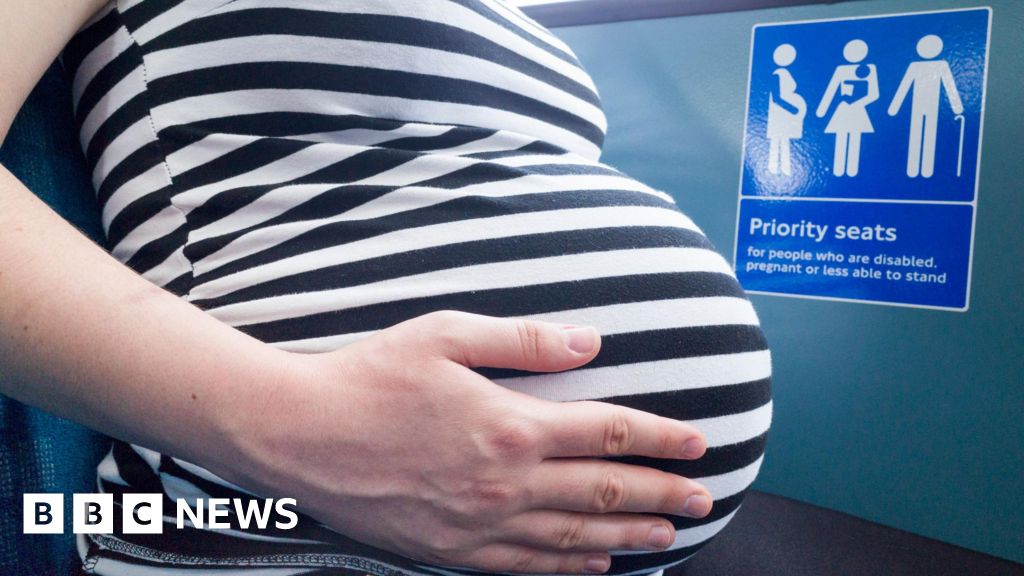
"For the past 20 years, Transport for London’s “Baby on Board” scheme has reshaped behaviour on public transport through a simple social signal. But does it still work? I recently observed a lady wearing her Baby on Board badge waiting, like me, for the northbound Victoria line at Oxford Circus during the rush hour commute home. I clocked the familiar look of wariness as she scanned the tube seats as the train pulled into the platform. I too became anxious for her. If no one offered their seat up, I was prepared to give up their seat for them - they just didn't know it yet."
"As the doors slid open, she made a beeline through the throng for the closest priority seat occupied by a young woman. She asked to sit down. The exchange happened swiftly and without drama. I sighed with relief for her. I don't mean to sound so dramatic but watching her brought back vivid memories of my experience navigating the Tube during both my pregnancies. Transport for London As a born and bred Londoner, my brothers and I developed a love for the Underground and bus network early on as our parents took us on regular adventures across the capital during our formative years."
"This week marks 20 years of TfL's Baby on Board badge. And just like my beloved Underground lines, every pregnancy can take you on wildly different journeys. I didn't require a badge until my second trimester for both pregnancies, mainly due to Pelvic Girdle Pain - a painful condition of the hips and pelvis affecting your stability and balance. But for many women, it's the first trimester, marked by nausea, fatigue and anaemia - often before they are visibly pregnant - when a seat may be needed most. The reality though is that every stage of p"
Transport for London’s “Baby on Board” badge has influenced behavior on public transport for two decades by acting as a social signal. During a rush-hour commute on the Victoria line, a badge wearer searched for a priority seat and asked to sit, leading to a swift, calm exchange. The experience mirrors memories from pregnancy travel on the Tube. Seat needs can arise early, sometimes in the first trimester, when nausea, fatigue, and anaemia may occur before visible pregnancy. Some people may not need a badge until later due to conditions such as pelvic girdle pain, which affects stability and balance. The badge’s effectiveness depends on recognizing early and varied pregnancy needs.
Read at www.bbc.com
Unable to calculate read time
Collection
[
|
...
]