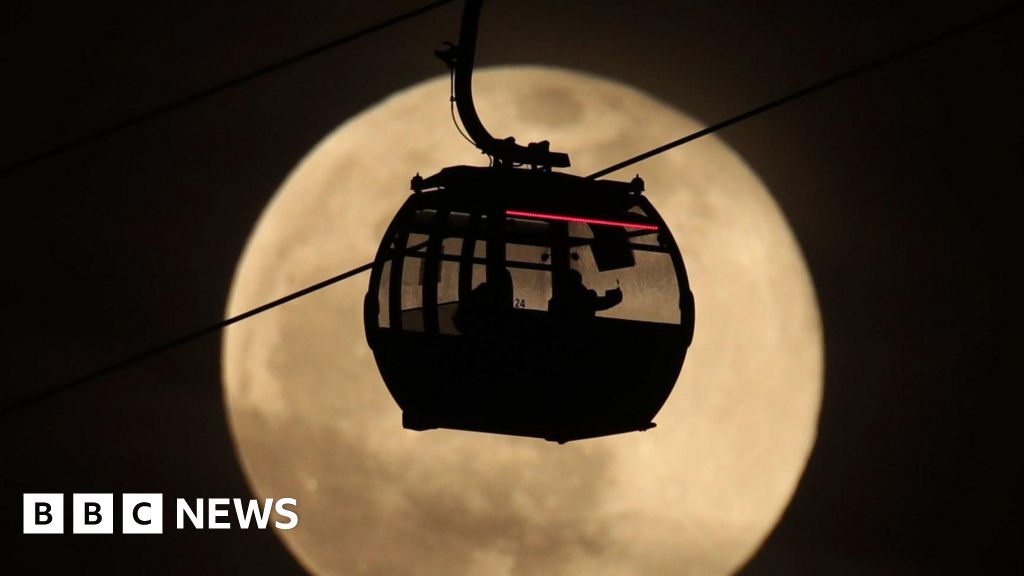
A cable car in London connects the Royal Docks and the Greenwich Peninsula and opened on 28 June 2012. The project was originally proposed in the 1990s, later revived to add visibility to Olympic transport plans, and began operating before the Games. Early goals included providing a commuter route, offering resilience if the Jubilee line failed, and supporting regeneration of the surrounding area. Critics called it a vanity project, and it cost about £60 million, making it the most expensive urban cable car at the time. Operating costs are about £9.8 million per year, while it generates a surplus of £1.6 million annually, including advertising. It has sponsorship and is the only TfL service where alcohol is permitted, including a champagne experience.
"The idea for a cable car between the Royal Docks and the Greenwich Peninsula surfaced in the 1990s ahead of the opening of the Millennium Dome, but it never happened. It was revived by Johnson to give a bit of pizzazz to the Olympic transport legacy. Even though TfL never said it would be open for the Olympics, it did open prior to the Games to much fanfare on 28 June 2012."
"Back then, the emphasis was on how the cable car could be a viable commuter route for lots of people and handy resilience if the Jubilee line went down. It was also touted as being a regeneration tool for the whole area. But many at Transport for London are now pretty open in their belief that it's basically a tourist attraction."
"Costing about 60m, it was at the time the most expensive urban cable car in the world. During that era, there was quite a lot of money available for new infrastructure - in fact 8m for the cable car came from the European Union as it was designed to help regeneration - so Johnson did not rule out other cable cars for London."
"It has an operating cost of 9.8m, but generates a surplus (including advertising) of 1.6m a year. Along with the hire bikes, the cable car was an outlier for TfL as it was sponsored, first by Emirates and then by IFS AB. It now no lo"
Read at www.bbc.com
Unable to calculate read time
Collection
[
|
...
]