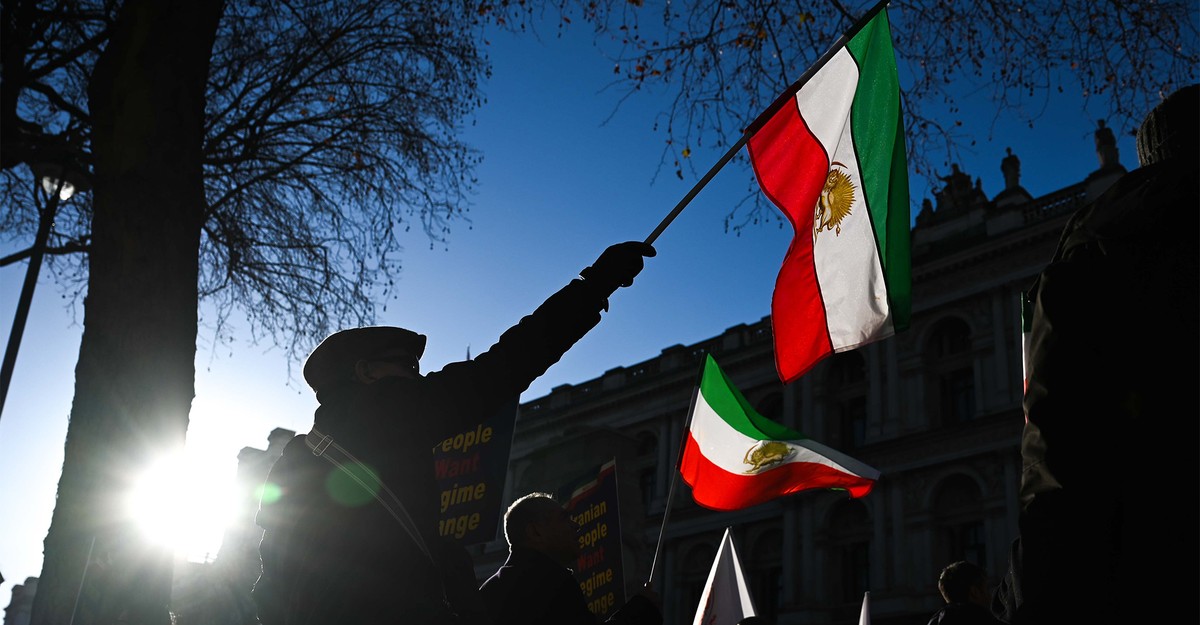
"Whenever I hear the plaintive lyrics of " Baraye," the song that became an anthem for the 2022 Iranian protests, I still tear up-and I find it hard to imagine anyone having a different reaction. Shervin Hajipour, then 25, wrote it by stringing together a list of young Iranians' reasons for going to the streets. They want to kiss in public without fear and not be forced to spout empty slogans. They want an economic future and clean air."
"These are what the Czech dissident Václav Havel called the "aims of life," which in authoritarian counties, places like Iran, slam right up against the "aims of the system." Iranians are out in those streets again, pursuing those aims. And this time they are being slaughtered for it in numbers that have not been seen before-estimates of the death toll are rough (because the internet and most international communication have been cut), but they run anywhere from 2,000 to 12,000."
"It has all the greatest hits-pitting the powerless against power, freedom against repression, unarmed men and women against snipers. But in the most animated corners of the activist ecosystem, so recently energized by their opposition to the death and destruction in Gaza, it has not resonated. The protest has been viewed instead through the thick lens of ideology, producing a reaction that has been dismissive at best, and, at worst, degrading to the Iranians themselves."
Baraye became an anthem for the 2022 Iranian protests, expressing young people's demands: public displays of affection without fear, rejection of empty slogans, economic opportunity, and clean air. These are the 'aims of life' that clash with authoritarian 'aims of the system.' Iranians are protesting again and facing a brutal crackdown with estimated deaths between 2,000 and 12,000 amid communications blackouts. The uprising pits ordinary citizens against state violence and repression. Significant segments of the activist left have dismissed or denigrated protesters, accusing them of serving imperialist agendas or foreign intelligence.
Read at The Atlantic
Unable to calculate read time
Collection
[
|
...
]