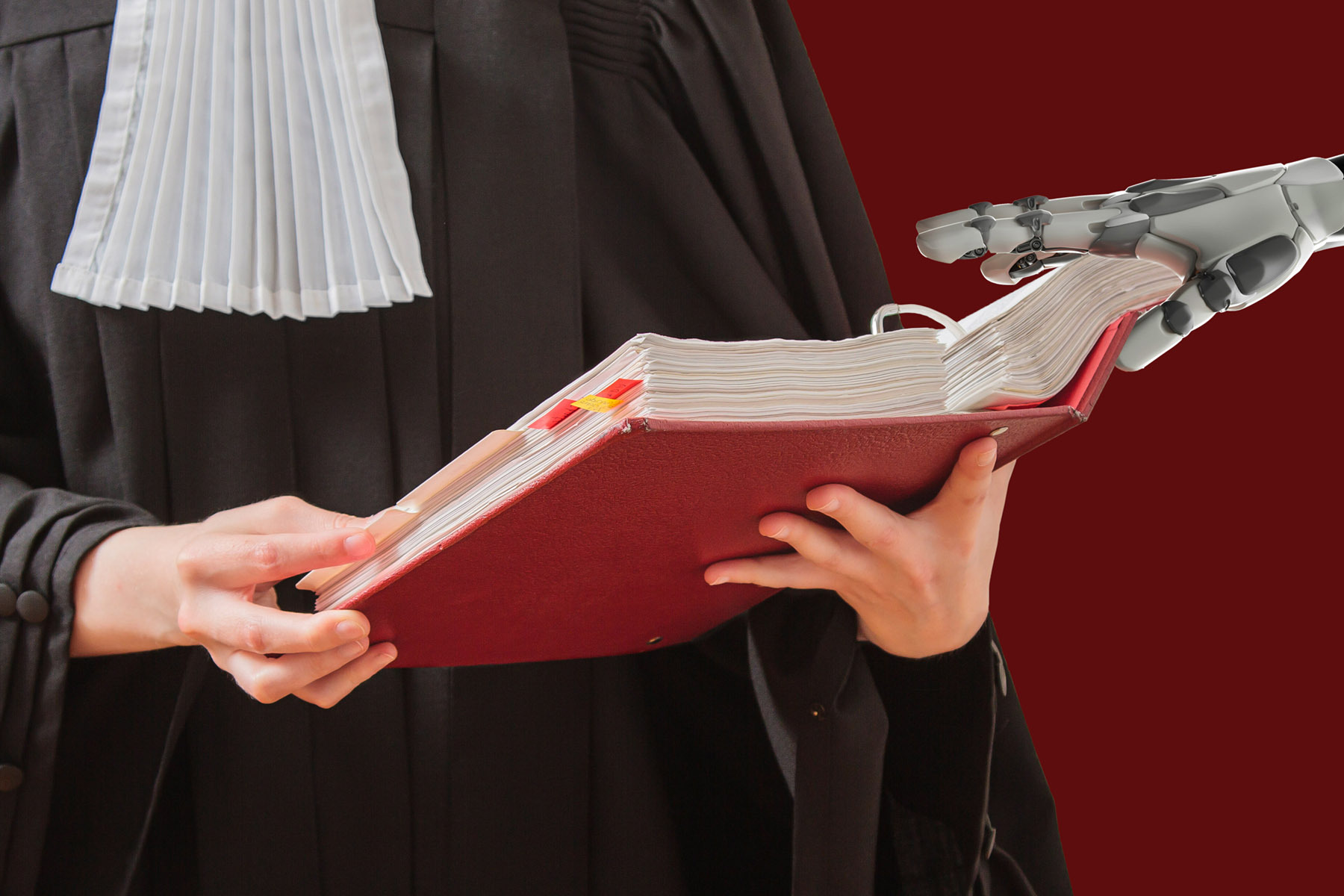
"Photographs, videos, and audio recordings are highly persuasive to judges and juries. When a crime occurs in private, with no witnesses, a court contest is a tussle in which two stories compete to offer the most plausible explanation of the same facts. Photographs and audio recordings join seemingly unimpeachable objectivity with emotional impact: one study says combining visual and oral testimony can increase information retention among jurors by 650 percent."
"When a client shows her an exonerating photo or video, she isn't expected to run analytic tests before submitting it into evidence. It's reasonable to assume that a photo is real-for now. Yet we are fast approaching a world in which we can no longer believe our eyes or ears. The onset of artificial intelligence, in the justice system as elsewhere, is poised to overturn existing practices."
"Her husband at the time thought it contained paperwork, but P had filled it with a different kind of insurance: a physical record of smashed phones, broken eyeglasses, and photographs of the bruises his violent episodes had left on her body. "I had a circle of blue bruises around my mouth because he would cover my mouth and smother me," she told me."
A survivor kept a box labeled 'insurance' containing smashed phones, broken eyeglasses, and photographs documenting bruises from violent episodes. Photographs, videos, and audio recordings exert strong influence on judges and juries, especially in private crimes lacking witnesses, because visual and oral evidence combine apparent objectivity with emotional impact. Legal practitioners often accept client photos or videos as provisionally authentic without forensic analysis. Rapid advances in artificial intelligence threaten to make fabricated images and audio indistinguishable from genuine media. Digital forensic experts warn that current detection capabilities may soon fail, creating pressure to reform evidence laws and forensic practices.
Read at The Walrus
Unable to calculate read time
Collection
[
|
...
]