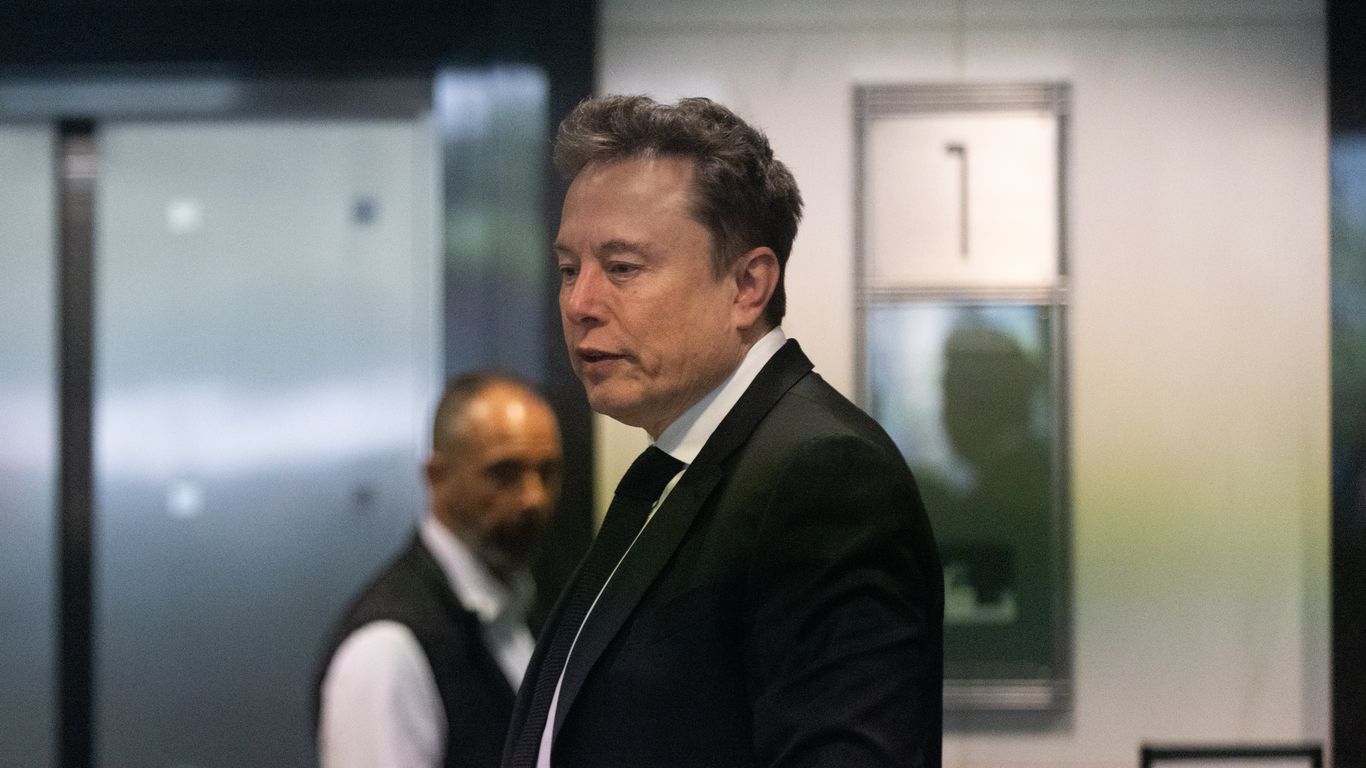
"Molo argued that OpenAI violated its nonprofit mission to pursue safe, powerful AI for the world, and that its executives instead sought to reap personal gain through stock grants and self-dealing with entities in which they had financial stakes."
"Molo put particular emphasis on Altman's trustworthiness, saying his claims of honesty were undercut by testimony from former colleagues Ilya Sutskever and Mira Murati as well as ex-board members Helen Toner and Tasha McCauley."
"In 2024, Musk sued OpenAI, Altman, and President Greg Brockman, alleging OpenAI and its founders breached their duties to the charitable mission. Later that year Musk added Microsoft to the suit, saying it aided and abetted OpenAI's breach of its obligations."
"This case is proceeding differently than many others. The jury's verdict is only advisory and the judge can decide to overrule it. Also, if the ultimate ruling is against OpenAI and/or Microsoft, there will be a separate portion of the trial to decide damages."
A closing argument claims OpenAI violated its nonprofit mission to pursue safe, powerful AI for the world. The argument alleges executives sought personal gain through stock grants and self-dealing involving entities where they had financial stakes. Trustworthiness is challenged using testimony from former colleagues and former board members. In 2024, Elon Musk sued OpenAI, Sam Altman, and Greg Brockman for breaching duties to the charitable mission, later adding Microsoft for allegedly aiding and abetting the breach. The trial includes testimony from major AI and tech figures, including Musk, Altman, board chair Bret Taylor, and Microsoft CEO Satya Nadella. The jury verdict is advisory, and the judge may overrule it. If liability is found against OpenAI and/or Microsoft, a separate damages phase will follow.
Read at Axios
Unable to calculate read time
Collection
[
|
...
]