"By June, a District Court judge declared that the federal policy "represents racial discrimination" and issued a preliminary order that would have seen all the cancelled grants restored. In his written opinion, Judge William Young noted that the government had issued its directives blocking DEI support without even bothering to define what DEI is, making the entire policy arbitrary and capricious, and thus in violation of the Administrative Procedure Act."
"His decision eventually ended up before the Supreme Court, which issued a ruling in which a fragmented majority agreed on only a single issue: Judge Young's District Court was the wrong venue to hash out issues of government-provided money. Thus, restoring the money from the cancelled grants would have to be handled via a separate case filed in a different court."
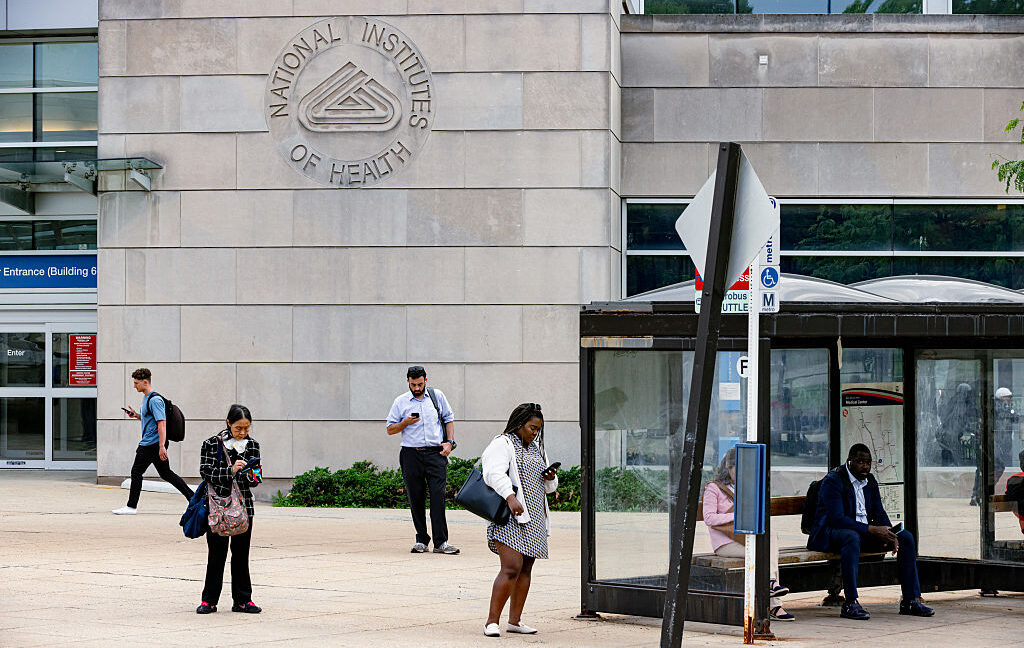
"Critically, however, this left the other portion of the decision intact. Young's determination that the government's anti-DEI, anti-climate, anti-etc. policy was illegal and thus void was upheld. Restoring reviews That has considerable consequences for the second part of the initial suit, involving grants that were not yet funded and blocked from any consideration by the Trump Administration policy. With that policy voided, there was no justification for the National Institutes of Health (NIH) failing to have considered the grants when they were submitted."
A District Court found the federal directives blocking DEI and similar topics represented racial discrimination and voided the policy as arbitrary, capricious, and in violation of the Administrative Procedure Act. The Supreme Court ruled only that the District Court was the wrong venue to resolve restoration of cancelled grant funds, leaving Young's determination that the policy was illegal intact. With the policy voided, grants that had been blocked must be reconsidered, but deadlines, spent funds, and investigators aging out created complications. A proposed settlement resets the review timeline so blocked grants will be evaluated as if it were early 2025.
Read at Ars Technica
Unable to calculate read time
Collection
[
|
...
]