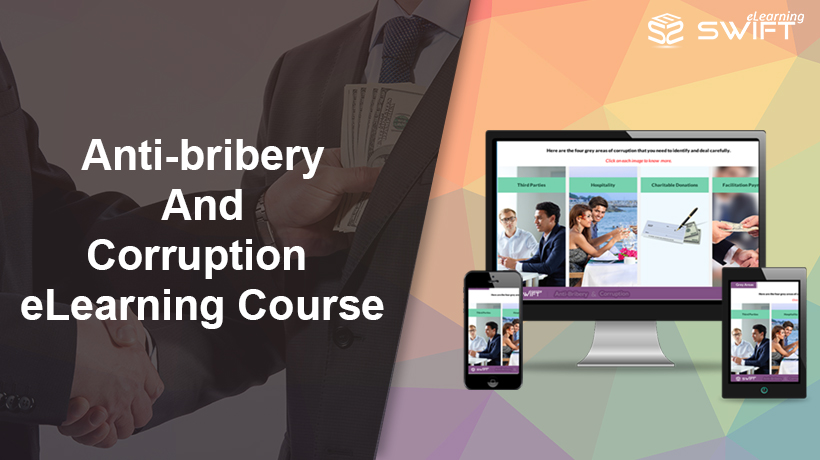
"Selecting the right Anti-Bribery and Corruption Training provider is a critical step for any organization aiming to strengthen ethical culture and compliance readiness. As regulatory expectations evolve and workplace integrity becomes a strategic priority, organizations need training partners who can deliver meaningful, scalable, and engaging learning experiences. This article explores the key factors to consider when evaluating providers and offers practical guidance for choosing a training solution that supports long-term compliance goals."
"1. Start With Industry-Relevant Learning Experiences The most effective compliance training is contextual. Look for providers who design content around: Real-life industry scenarios Role-based responsibilities Challenges faced in your operating environment Courses should reflect the situations your workforce is likely to experience-not generic examples that fail to resonate."
Effective anti-bribery and corruption training must be tailored to industry contexts, role responsibilities, and realistic scenarios to make learning relevant and actionable. Training content should align with global anti-corruption frameworks and current regulations to ensure legal relevance and organizational compliance. Instructional design must prioritize engagement, scenario-based learning, and measurable outcomes to increase retention and encourage ethical decision-making. Providers should deliver scalable formats, localized examples, and role-based pathways that reflect operating environments. Robust assessment and reporting capabilities enable measurement of effectiveness and identification of residual risk. Choosing a provider that integrates these elements strengthens culture and long-term compliance readiness.
Read at eLearning
Unable to calculate read time
Collection
[
|
...
]