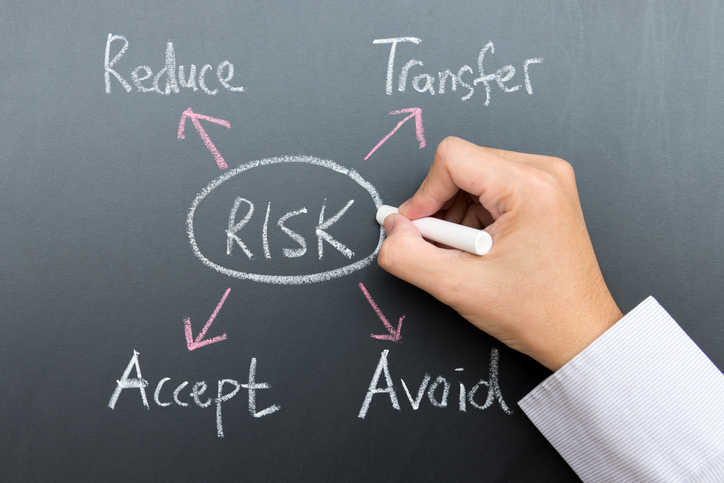
"Risk Minimization Is Not a Strategy Senne put it plainly. "As lawyers, we're trained to turn over every stone. That works if your only goal is to avoid mistakes, but it also makes for very slow progress." That mindset may serve you well in litigation or regulatory response. But it is death to innovation. Especially if your team is tasked with enabling commercial velocity, supporting product launches, or building internal tooling."
"If you are in-house and still reviewing contracts like every mistake is catastrophic, this conversation is your permission slip to build a different model. One based on iteration, calibration, and speed. The old posture was protect and review. The new posture is build and improve. Legal still needs to manage risk, but not by defaulting to zero. Instead, legal needs to get good at identifying which risks actually matter, which ones are tolerable, and which ones can be flagged and remediated through systems."
Lawyers often default to exhaustive risk avoidance, which reduces speed and blocks innovation. Risk minimization alone is not a strategy; legal teams must identify which risks truly matter, which are tolerable, and which can be monitored and remediated through systems. The operative posture should shift from protect-and-review to build-and-improve, aligning legal work with commercial velocity and product timelines. Practical innovation starts by replacing broken drafting workflows with iterative feedback loops and targeted automation. Small, repeatable fixes—harmonized clauses, template-driven NDAs, and remediation flags—deliver measurable efficiency without pretending every draft must be perfect.
Read at Above the Law
Unable to calculate read time
Collection
[
|
...
]