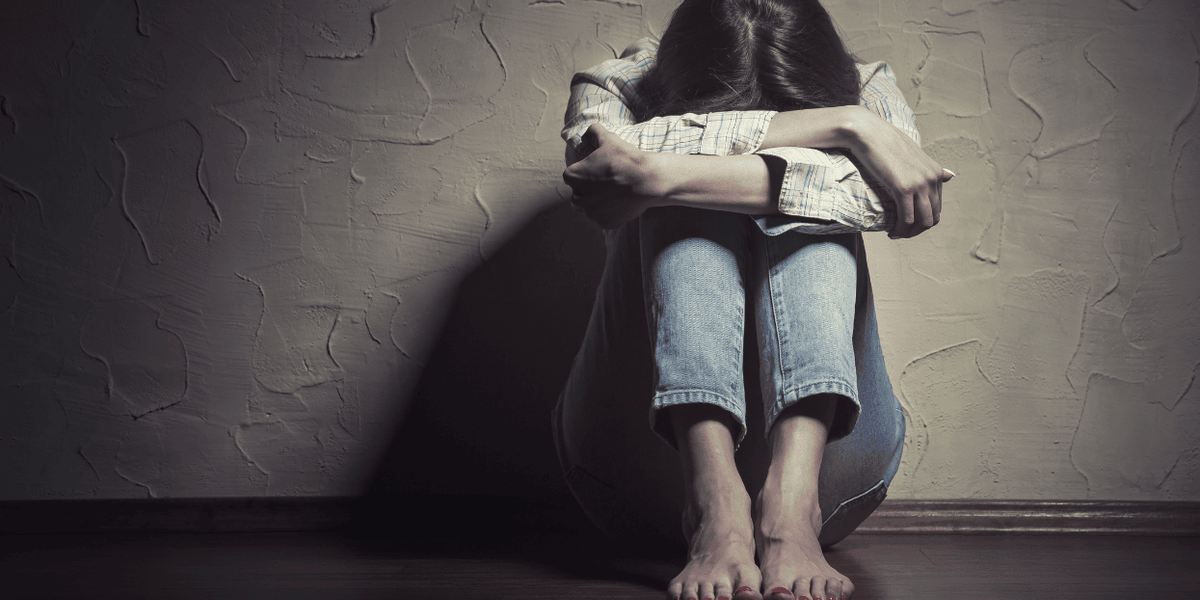
"Talking about being raped by a man felt easier to talk about, though none of this is ever easy. It fits a narrative people recognize: men harm, women and queer people suffer. There's room for that story. There's language for it. There's sympathy for it. There are even movements for it. But when I say a woman in a queer relationship later assaulted me, the air changes. There's discomfort. There's silence. There's deflection, an unspoken disbelief that a woman could assault another woman."
"When a woman assaulted me, it didn't just break my body's sense of safety. It broke my idea of what safety I couldn't take comfort in believing queerness itself was a sanctuary. I wanted it to be true. It wasn't, not for me. And that truth isolated me for years, and to this very day, I still struggle with it."
"Being queer means constantly navigating a world that wants to erase us. We fight laws designed to disappear us, politicians defunding the very lifelines meant to keep our youth alive, and an administration that openly vilifies trans and queer people. In that battle, there's an unspoken rule: keep our pain politically convenient, and never take up too much space. We're told that to be queer is to prove our worth."
I am a proud survivor who experienced rape first by a man and later by a woman. Talking about being raped by a man felt easier because it fits a recognized narrative of men harming and women and queer people suffering. A woman assaulting me in a queer relationship triggered disbelief, discomfort, silence, and deflection. Being queer involves constant navigation of erasure, legal attacks, political vilification, and pressure to keep pain politically convenient. The assault by a woman shattered bodily safety and the belief that queerness was a sanctuary. That isolation lasted years and continues to affect me.
Read at Advocate.com
Unable to calculate read time
Collection
[
|
...
]