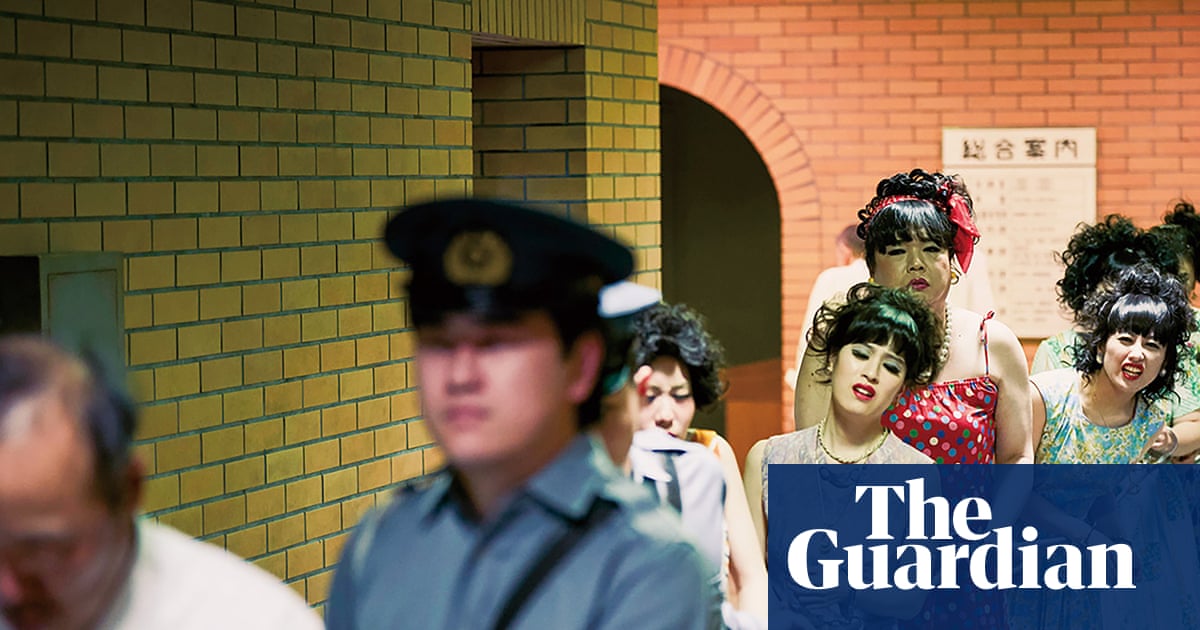
"The original legal case concerned a doctor who was prosecuted for performing gender reassignment surgery on transgender women, amid law enforcement frustrations that female-presenting transgender sex workers could not be prosecuted for their profession due to their being legally male. The doctor was found guilty of violating Japan's eugenics laws, which prohibited surgeries resulting in sterilisation if they were deemed inessential."
"The trial has slipped into obscurity in Japan, but I've known about it since I first became aware of my identity, says Iizuka. These days in Japan you can hear the term LGBTQ in everyday conversation. Back in the 60s, when no such terms were used, there were still people who bravely lived openly [queer] lives. I felt that present-day Japanese people ought to know that these people existed."
The 1965 Blue Boy trial involved prosecution of a doctor for performing gender reassignment surgery on transgender women and stemmed from law-enforcement frustration that female-presenting transgender sex workers could not be prosecuted as women. The doctor was convicted under Japan's eugenics laws, which banned sterilising surgeries deemed inessential, effectively outlawing gender reassignment surgery until 1998. Blue Boy was slang for transgender people assigned male at birth. The trial increased domestic visibility of transgender people despite later obscurity. Kasho Iizuka, a transgender filmmaker, adapted the trial into a film to reveal hidden histories. Later transgender-themed Japanese films gained popularity but often framed trans lives as tragic and othered.
Read at www.theguardian.com
Unable to calculate read time
Collection
[
|
...
]