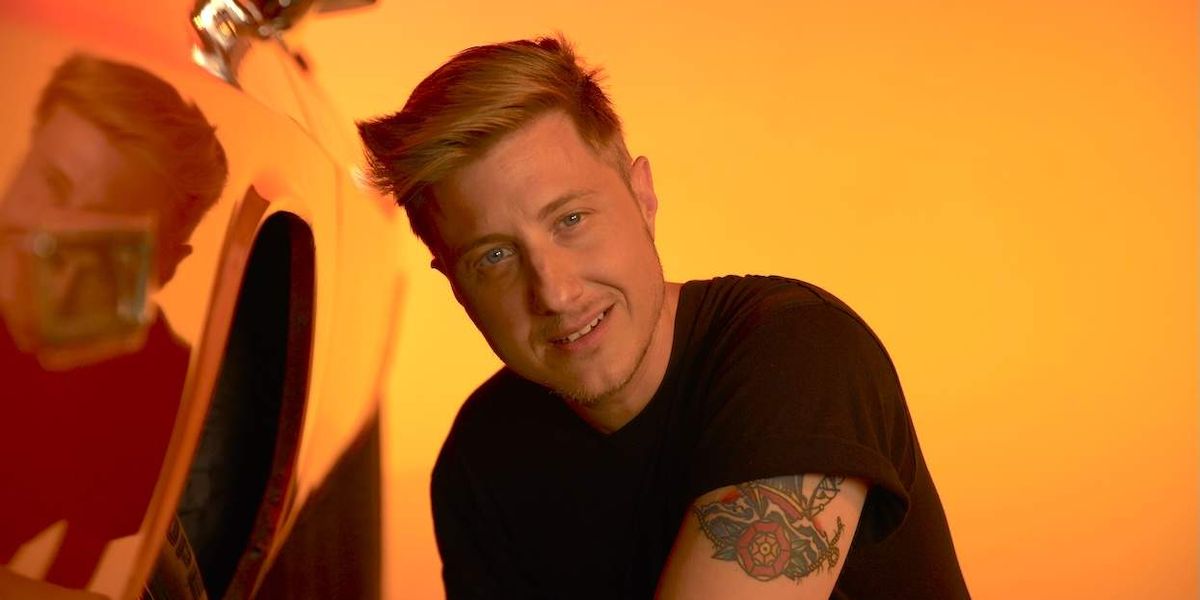
"I've spent the last 25 years since I transitioned being spoken by lawmakers, by media, by people who have never met me but feel entitled to decide what my life means. The pressure to explain, justify, or exist as a symbol in somebody else's mythology is constant. It's part of why my film, Becoming a Man in 127 EASY Steps, exists: to narrate a trans life from the inside, rather than explain it to outsiders."
"We are all living through the same historical moment, but from profoundly different positions. Trans people are being asked to survive the most existentially threatening moment in living memory. Allies are being asked what you're willing to do to support us with your access to safety and power. A film means something different depending on who's watching it, and this one has something to say to everyone."
"We're living a familiar story right now: The '90s playbook is repeating itself, with "gay" and "AIDS" switched out for "trans" and "gender ideology." It's as tired as it is dangerous, and it harms everyone. Being trans is liberty and the pursuit of happiness, and if they take them from us, they'll take them from you next. Everyone should be concerned."
Trans people face constant external judgments from lawmakers, media, and strangers who attempt to define their lives. The pressure to explain, justify, or exist as a symbol in someone else's mythology is relentless. The film Becoming a Man in 127 EASY Steps narrates a trans life from the inside, offering images and perspectives that let trans audiences recognize themselves and help cisgender audiences reshape understanding of shared realities. Trans communities face existential threats as rhetorical playbooks repeat, equating trans identity with moral panic. Cultural change grows when trans people tell their own stories and allies use their safety and power to support them.
Read at Advocate.com
Unable to calculate read time
Collection
[
|
...
]