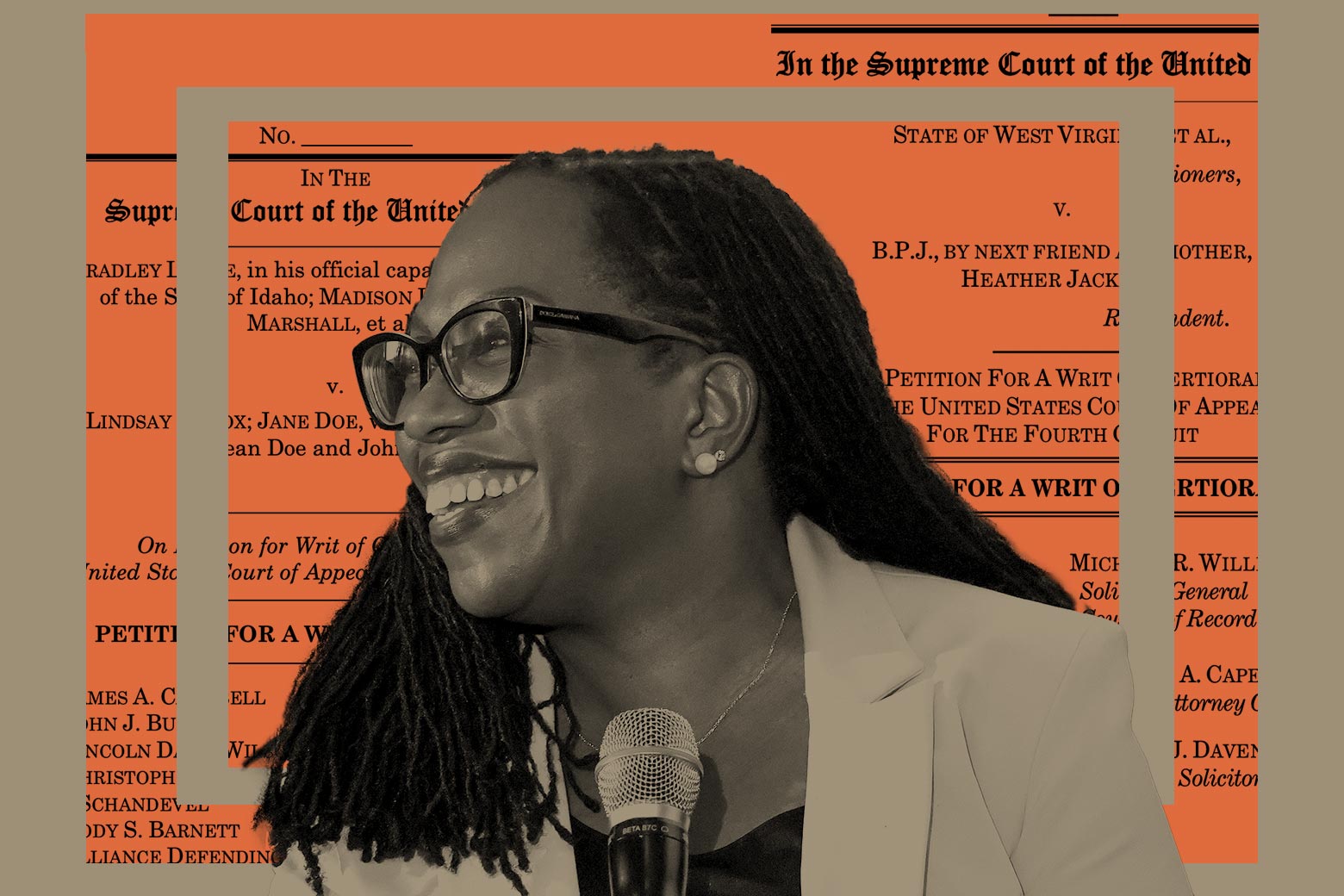
"When the Supreme Court heard arguments in Little v. Hecox and West Virginia v. B.P.J. on Tuesday, it confronted two cases that appear, at first glance, to raise the same question. Both involve state laws that bar transgender girls from participating on girls' school sports teams. Both feature plaintiffs who argue that these laws violate the Constitution and, in the West Virginia case, Title IX. And both arrive at the court after lower courts treated transgender status as legally relevant to a discrimination inquiry."
"At oral argument, the justices did not approach the cases as moral disputes about inclusion or fairness in women's sports. The questions largely avoided normative judgments altogether, focusing instead more narrowly on doctrine, statutory structure, and the limits of judicial review. That approach could produce a formally narrow decision that nevertheless risks foreclosing meaningful relief for transgender individuals whose discrimination claims would otherwise warrant serious judicial consideration."
"Hecox arises from Idaho's Fairness in Women's Sports Act, enacted in 2020. The statute categorically bars transgender women and girls from participating on women's and girls' sports teams at any level, from elementary school through college. Before the law's enactment, Idaho permitted transgender girls to compete on girls' teams under policies that required hormone suppression. Lindsay Hecox, a transgender woman and college student, challenged the law after it foreclosed her ability to compete on women's teams consistent with her gender identity."
Two Supreme Court cases address state laws that bar transgender girls from girls' school sports teams. The cases raise constitutional claims and, in one instance, a Title IX claim, with plaintiffs arguing those laws are unlawful. Lower courts treated transgender status as relevant to discrimination inquiries and in at least one case enjoined the law. Oral arguments concentrated on legal doctrine, statutory interpretation, and the scope of judicial review rather than on normative debates about fairness in sports. A narrow, formal ruling could preclude meaningful judicial relief for transgender plaintiffs despite plausible discrimination claims.
Read at Slate Magazine
Unable to calculate read time
Collection
[
|
...
]