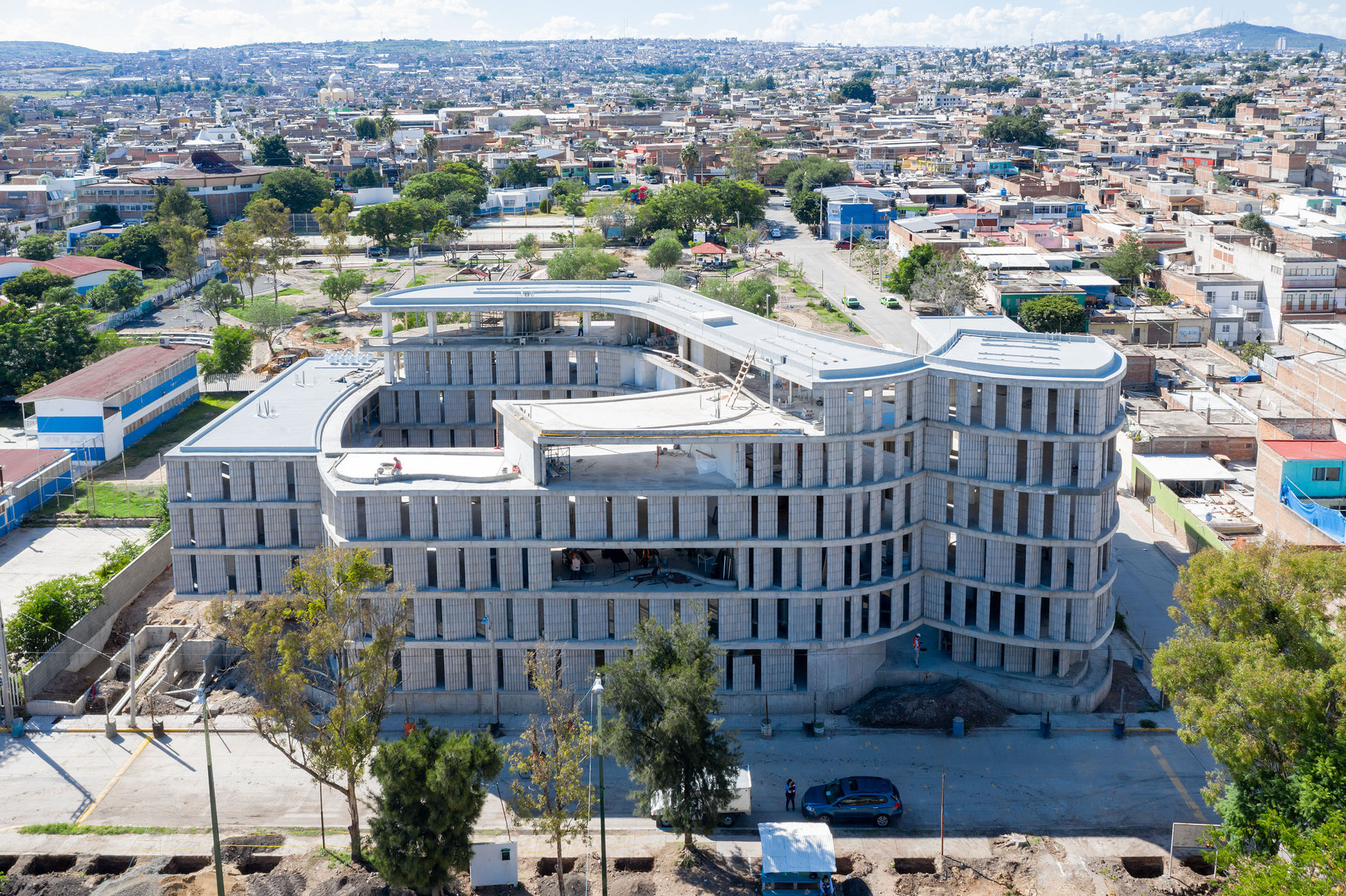
The global housing crisis comprises two interconnected problems: insufficient residential construction and barriers preventing access to existing housing. The UN estimates 96,000 new housing units must be built daily through 2030 to meet population needs, yet 2.8 billion people—nearly 40% of global population—lack adequate shelter, secure land, and basic sanitation. Beyond underproduction, an affordability crisis drives the gap, as housing increasingly functions as social security and investment vehicle for speculation. Climate change and forced migration exacerbate these challenges. Governments and private entities face mounting pressure to limit speculation and ensure equitable housing access. Multiple initiatives across Spain, Australia, France, and the United States demonstrate efforts to expand housing access while constraining speculative practices.
"According to UN-Habitat, an estimated 96,000 new housing units would need to be built per day to meet population needs by 2030. Climate change and forced migration are broadening the gap. But 2.8 billion people worldwide, representing nearly 40% of the global population, lack access to stable shelter, secure land, and basic sanitation services not only because of underproduction, but also due to an economic barrier: an affordability crisis."
"As demand grows and prices rise, housing, now increasingly functioning as a form of social security, becomes a target for rental income and real estate speculation. As adequate housing is a human right, pressure on governments and private entities is increasing worldwide to limit speculation and ensure fair access to existing dwellings."
Read at ArchDaily
Unable to calculate read time
Collection
[
|
...
]