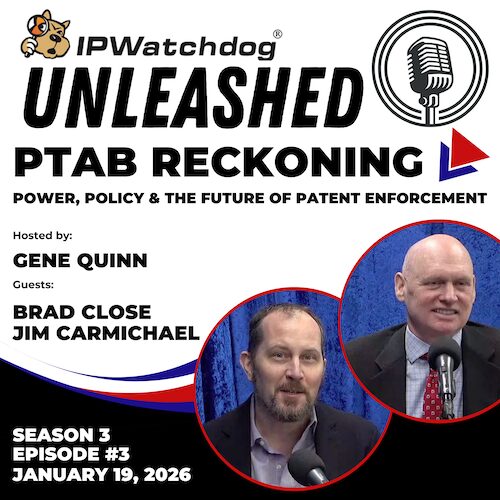
"Recent policy shifts have materially reduced institution rates, most notably with a significant drop in institution rates for patents owned by non-practicing entities. This signals a recalibration toward due process and quiet title for patents, which the United States Patent and Trademark Office (USPTO) is accomplishing through the "settled expectations" factor applied when deciding whether the Director's discretionary denial authority should be exercised."
"During our conversation we all agree, however, that meaningful patent reform remains incomplete. While the USPTO is doing as much as anyone on the patent owner side of PTAB disputes could reasonably want, the law has not changed, and the Federal Circuit has not changed. Indeed, the Federal Circuit continues to suppress damages, discourage enforcement, and reward delay, which means litigation incentives still favor efficient infringement. Without structural changes-potentially including specialized patent adjudication-the system will remain misaligned with the Constitution's mandate to promote innovation."
The PTAB initially suffered from a structural conflict that biased proceedings against patent owners. Recent USPTO policy shifts have materially reduced institution rates, especially for patents held by non-practicing entities, and the Director's use of a "settled expectations" factor has produced more discretionary denials. Petitioners are increasingly turning to ex parte reexamination, and the USPTO landscape is less structurally stacked against patent owners. The Federal Circuit continues practices that suppress damages, discourage enforcement, and reward delay, leaving litigation incentives favoring efficient infringement. Durable patent rights will require legal and structural reforms beyond agency-level changes, potentially including specialized adjudication.
Read at IPWatchdog.com | Patents & Intellectual Property Law
Unable to calculate read time
Collection
[
|
...
]