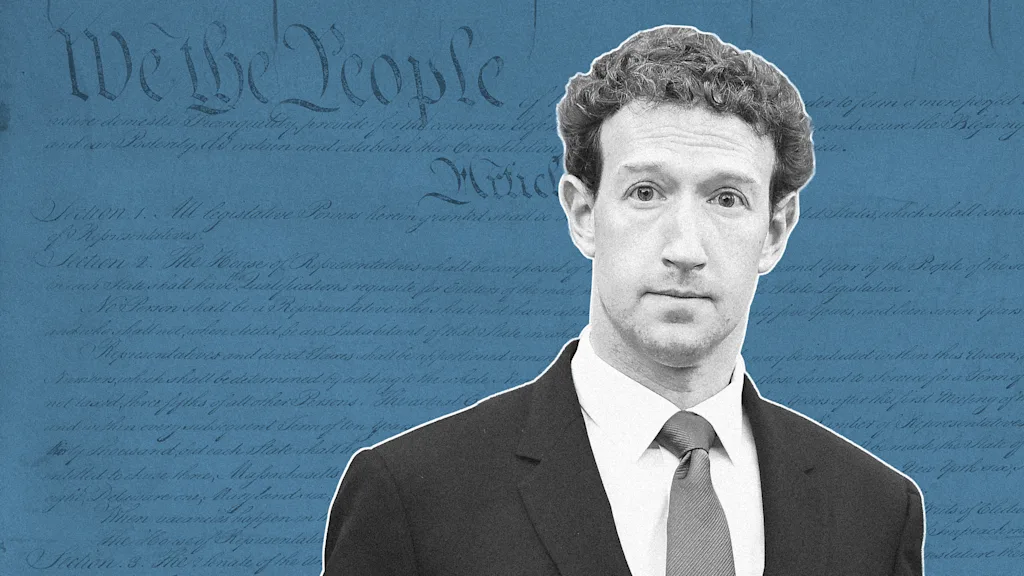
""Section 230 was created during the early advent of the internet, when lawmakers were trying to give emerging online companies room to innovate and experiment with technologies the public and policymakers barely understood. It was never intended to operate as a permanent legal shield for some of the most powerful corporations in the world.""
""The core premise of the law still holds: companies are not liable for user-generated content. What has changed is how plaintiffs can work around that protection. The new cases focus less on what users post and more on how platforms are designed.""
Meta and YouTube were found guilty of harming young users with addictive algorithms, leading to mental health issues. The damages were minimal compared to their earnings. The rulings indicate that algorithms are not protected by Section 230, a law that has shielded social media companies from liability. This change could have significant long-term implications, as many similar cases are pending. The focus has shifted from user-generated content to platform design, suggesting that product design may be a new legal vulnerability for these companies.
Read at Fast Company
Unable to calculate read time
Collection
[
|
...
]