"The plain language of the DPLA governs because it is clear and explicit: Apple may "cease marketing, offering, and allowing download by end-users of the [Musi app] at any time, with or without cause, by providing notice of termination." Based on this language, Apple had the right to cease offering the Musi app without cause if Apple provided notice to Musi."
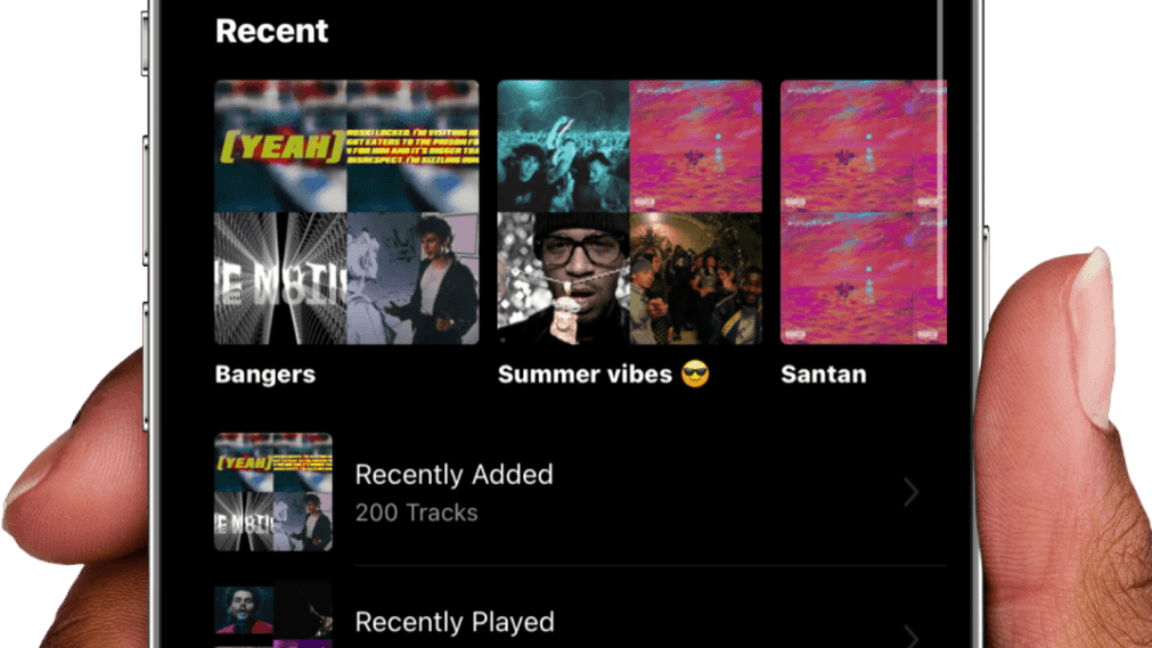
"Musi built a streaming service without striking its own deals with copyright holders. It did so by playing music from YouTube, writing in its 2024 lawsuit against Apple that "the Musi app plays or displays content based on the user's own interactions with YouTube and enhances the user experience via Musi's proprietary technology.""
"A federal judge dismissed Musi's lawsuit against Apple with prejudice and sanctioned Musi's lawyers for "mak[ing] up facts to fill the perceived gaps in Musi's case.""
Musi, a free music streaming app with tens of millions of iPhone downloads, lost its lawsuit against Apple seeking reinstatement on the App Store. The app operated by streaming music from YouTube without direct licensing deals with copyright holders, displaying its own ads with a $5.99 option to remove them. Apple removed Musi from the App Store in September 2024, citing intellectual property concerns. US District Judge Eumi Lee dismissed the case with prejudice, finding that Apple's Developer Program License Agreement explicitly permits app removal with or without cause upon notice. The judge also sanctioned Musi's legal team for fabricating facts to support their claims.
Read at Ars Technica
Unable to calculate read time
Collection
[
|
...
]