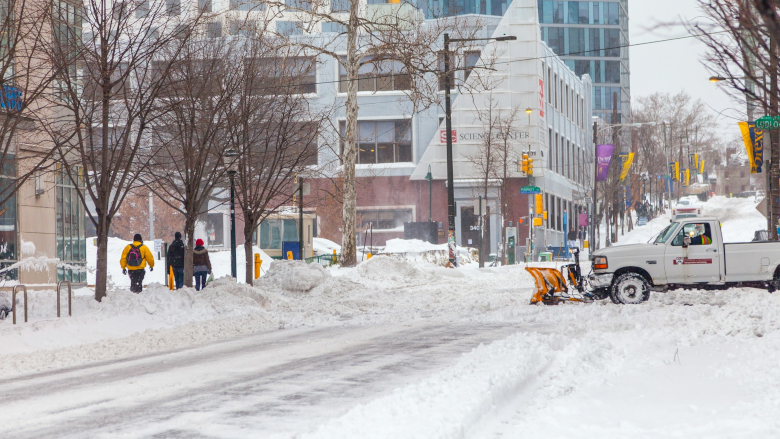
"During major winter storms, particularly when they hit regions that are not prepared for snow such as Florida, power grid operators are rightly focused on physical restoration, clearing lines, stabilizing substations, managing load, and ensuring worker safety. That operational intensity can reduce visibility in digital environments at precisely the moment when attackers prefer to operate: during periods of disruption, distraction, and degraded monitoring."
"Historically, we've seen that adversaries don't need to launch sophisticated new attacks during these moments."
"exploit pre-existing weaknesses like unpatched systems, legacy remote access, poor network segmentation, or limited asset visibility knowing that response times may be slower and anomalies harder to distinguish from storm-related issues."
A winter storm on Jan. 24–25 caused at least nine deaths, placed about 200 million people under severe cold alerts, and left more than 820,000 energy customers without power as of Jan. 26. The storm placed major strain on power grids, utilities, and critical infrastructure as operators prioritized physical restoration, stabilizing substations, clearing lines, managing load, and ensuring worker safety. That operational intensity and surge in activity reduced digital visibility and degraded monitoring. Malicious actors capitalized on the disruption by exploiting pre-existing vulnerabilities such as unpatched systems, legacy remote access, poor network segmentation, and limited asset visibility, knowing response times and anomaly detection would be impaired.
Read at Securitymagazine
Unable to calculate read time
Collection
[
|
...
]