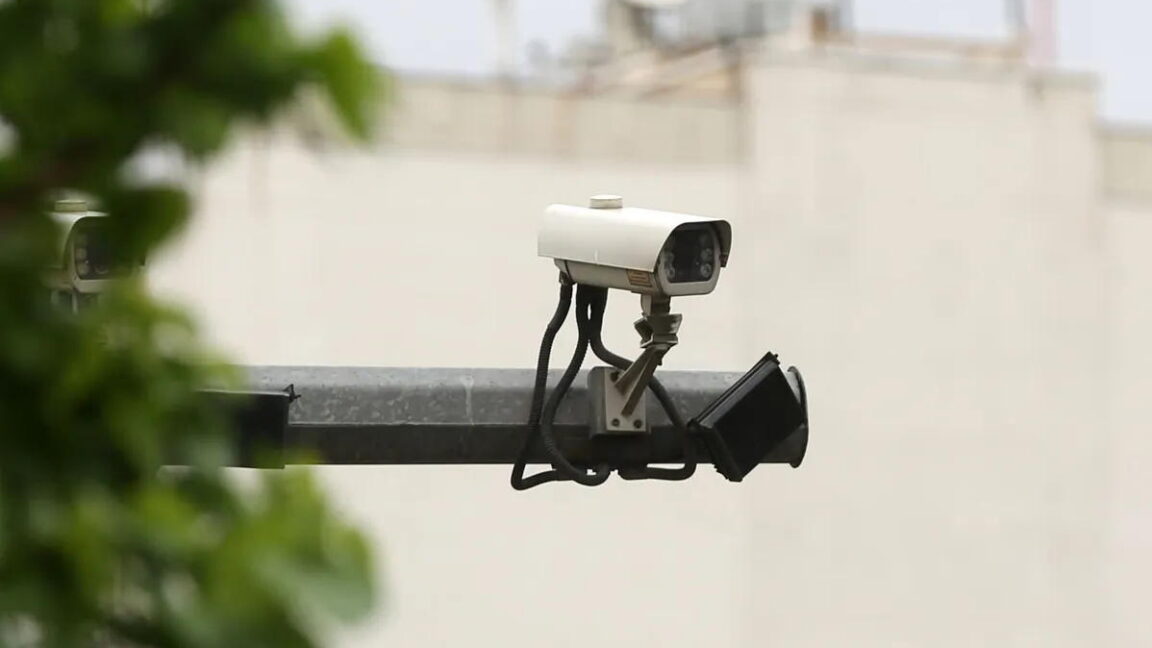
"On Wednesday, Tel Aviv-based security firm Check Point released new research describing hundreds of hacking attempts that targeted consumer-grade security cameras around the Middle East-with many apparently timed to Iran's recent missile and drone strikes on targets that included Israel, Qatar, and Cyprus. Those camera-hijacking efforts, some of which Check Point has attributed to a hacker group that's been previously linked to Iranian intelligence, suggest that Iran's military has tried to use civilian surveillance cameras as a means to spot targets, plan strikes, or assess damage from its attacks."
"Earlier this week, the Financial Times reported that the Israeli military had accessed "nearly all" the traffic cameras in Iran's capital of Tehran and, in partnership with the CIA, used them to target the air strike that killed Ayatollah Ali Khamenei, Iran's supreme leader. In Ukraine, the country's officials have warned for years that Russia has hacked consumer surveillance cameras to target strikes and spy on troop movements-while Ukrainian hackers have hijacked Russian cameras to surveil Russian troops."
"Exploiting the insecurity of networked civilian cameras is, in other words, becoming part of the standard operating procedures of armed forces around the world: A relatively cheap and a"
Consumer-grade security cameras have become a new surveillance tool in modern warfare. Check Point research reveals hundreds of hacking attempts targeting cameras across the Middle East, apparently coordinated with Iranian military operations. These efforts suggest Iran used hijacked civilian cameras for reconnaissance and damage assessment during recent strikes. Israel and the CIA similarly accessed Tehran's traffic cameras to target military operations. Russia has exploited Ukrainian cameras for surveillance and strike planning, while Ukraine has reciprocated by hijacking Russian cameras. This camera-hacking tactic represents an emerging standard practice among armed forces worldwide, leveraging the widespread insecurity of networked civilian devices.
#cyber-warfare #camera-hacking #military-surveillance #iran-israel-conflict #civilian-infrastructure-exploitation
Read at Ars Technica
Unable to calculate read time
Collection
[
|
...
]