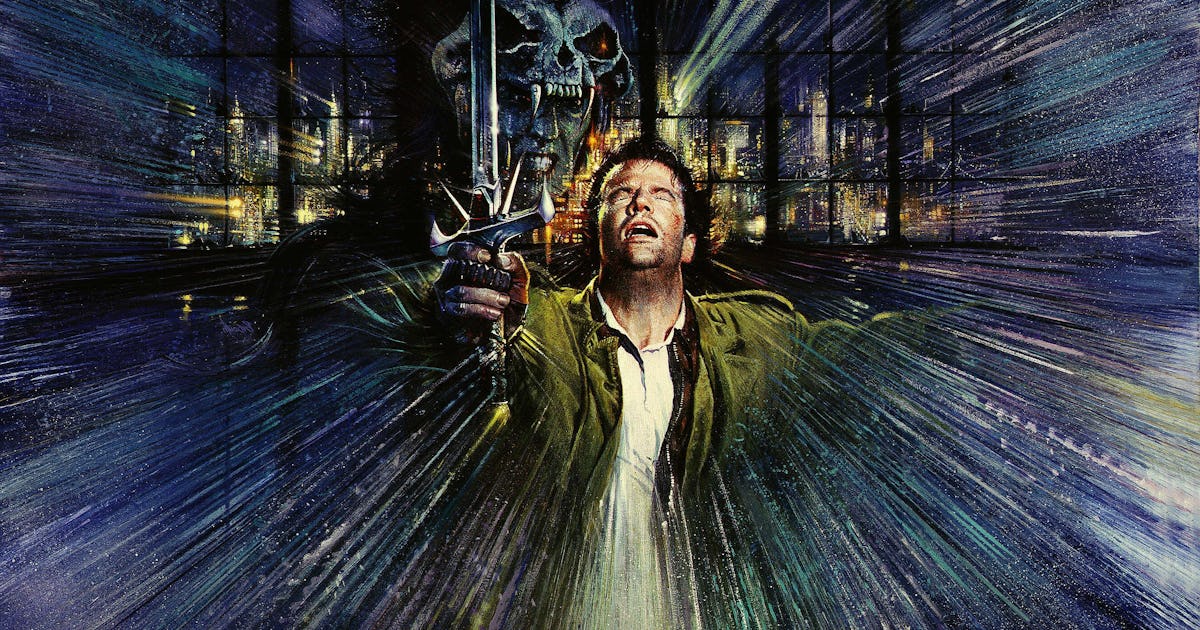
"The 1986 film Highlander is the rare cult film that was almost immediately resurrected as a legitimate multimedia property with a strong cultural impact; even those who've never seen the 1986 fantasy action film could recognize the phrase "there can be only one" or hum the tune to Queen's "Princes of the Universe.""
"The '80s saw many attempts to revitalize fantasy cinema, with the hopes that a hit sword-and-sorcery film could renew interest in the genre in the same way that Star Wars inspired a new era of science fiction. The few successes, such as The Princess Bride and The Neverending Story, were based on preexisting material and courted an audience of all ages."
Highlander, released in March 1986, represents an unusual case of a box office underperformer that quickly became a cultural phenomenon and multimedia franchise. Unlike critically revived films such as The Shawshank Redemption, Highlander immediately generated sequels, spin-offs, and merchandising. The film was an original concept by screenwriter Gregory Wilden, inspired by medieval combat from Ridley Scott's The Duellists, with director Russell Mulcahy hired after his success with the Australian horror film Razorback. During the 1980s, fantasy cinema experienced numerous revival attempts, though most successful entries like The Princess Bride and The Neverending Story were based on existing material. Highlander's complex narrative required close audience attention, beginning with a 1985 Madison Square Garden action sequence before revealing protagonist Connor MacLeod's curse of immortality.
Read at Inverse
Unable to calculate read time
Collection
[
|
...
]