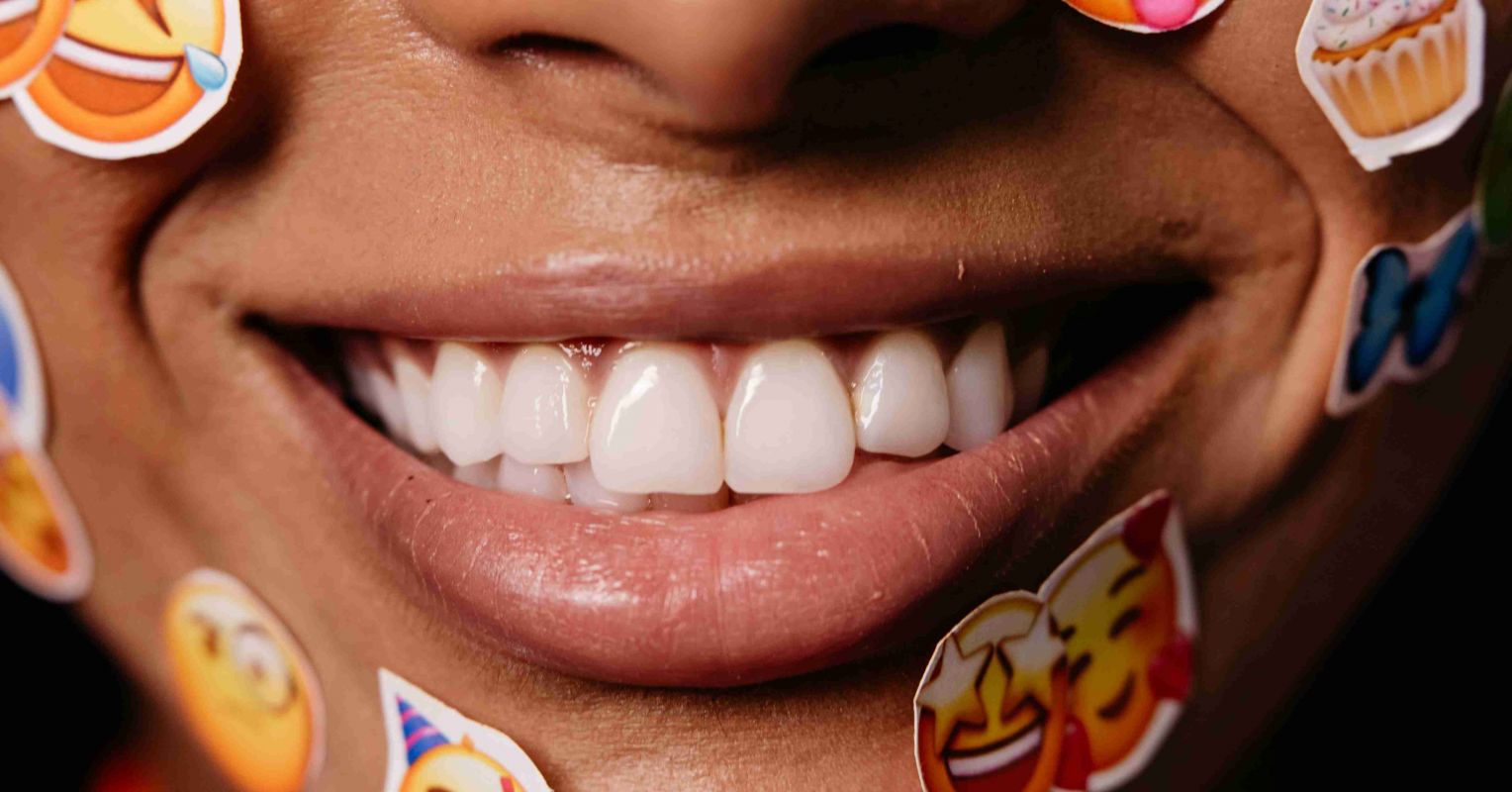
Many writers use acronyms and emojis to convey amusement, humor, and laughter. Emojis’ strong link to written expression suggests laughter functions as another communicative signal. Laughter theorists often divide into two camps. One camp treats laughter as primarily communicative, evolving to transmit nonverbal messages to nearby others, similar to screaming or moaning. This camp includes Superiority Theory, Play Theory, and Mutual Vulnerability Theory. The other camp treats laughter as primarily physiological, either relieving emotional tension or acting as a reward for resolving incongruity, as described by Tension Relief Theory and Incongruity and Benign Violation theories. Written laughter emoticons have been used since the mid-1990s, and newer emojis represent varying intensities of amusement.
"Many present-day writers use acronyms or emojis to express sentiments of amusement, humor, and laughter. Emojis' close association with writing suggests that genuine laughter is yet another form of communication. If true, it restricts the number of theoretical approaches suited to explain laughter's origin and purpose."
"Members of the first maintain the primal or primary function of laughter is one of communication. That is, it evolved to convey an important (albeit nonverbal) message to others in our immediate vicinity, similar to screaming or moaning. This view is codified in various explanations, including Superiority Theory (laughter asserts superiority), Play Theory (it signals a desire to play, or view things non-seriously), and the Mutual Vulnerability Theory (wherein laughter reminds others of shared limitations)."
"Those in the second camp insist laughter's purpose is fundamentally physiological. It either dissipates built-up emotional tension, as suggested in Tension Relief Theory, or serves as a pleasant reward for having solved some incongruity, as described in both Incongruity and Benign Violation theories."
"According to Merriam-Webster, various emoticons-with laughter usually typed as :D -have been used since the mid-1990s. More recently, a half dozen or so graphic emojis have been created to represent various degrees of amusement, the emotion that, above a certain threshold intensity, is most definitively expressed with laughter (Simon and Donian, 2025)."
Read at Psychology Today
Unable to calculate read time
Collection
[
|
...
]