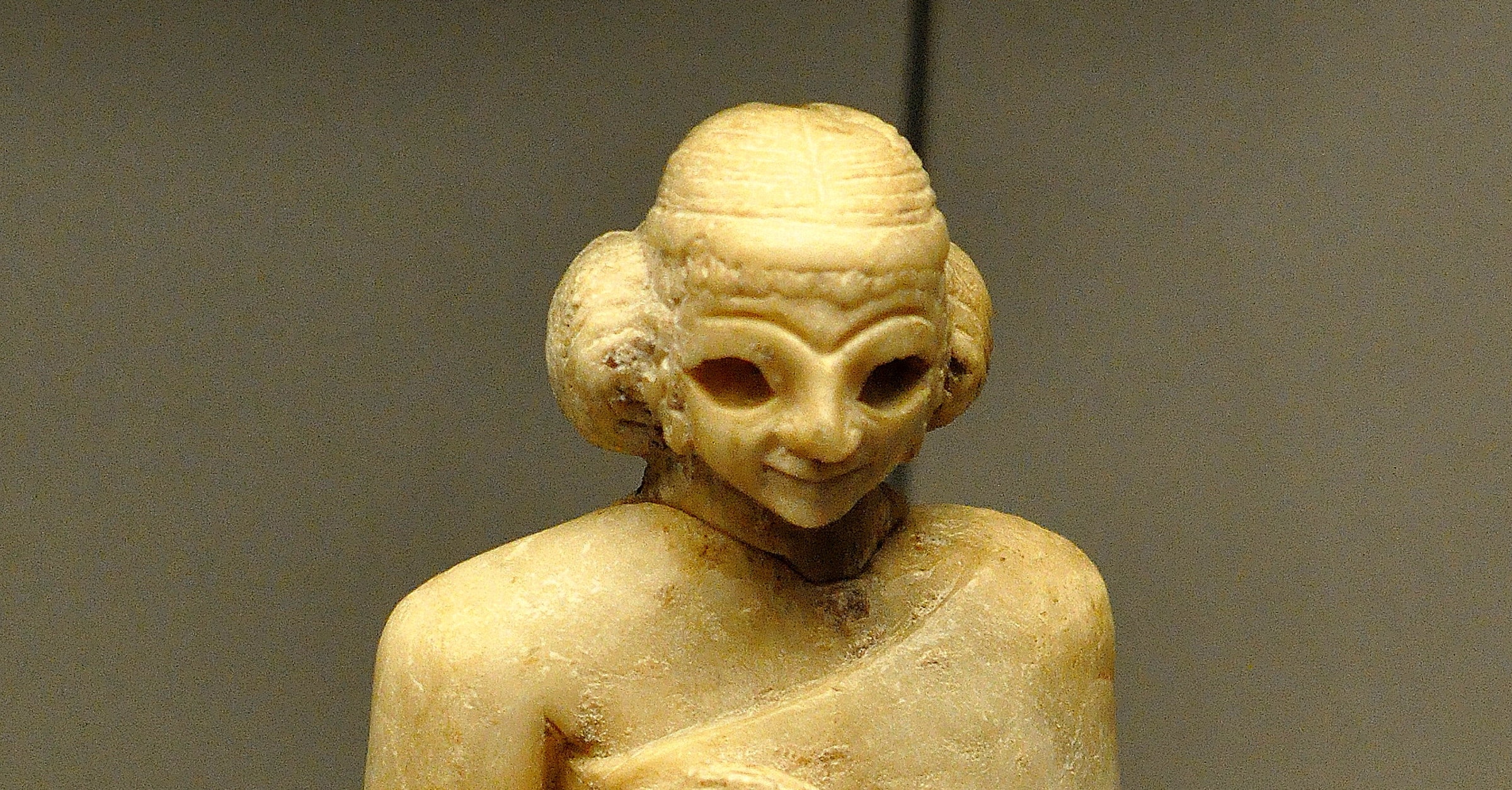
"Women in ancient Mesopotamia had significant rights, could own businesses, buy and sell land, live on their own, and initiate divorce, asserting their autonomy."
"During the early stages of Mesopotamian cultural development, women had the greatest freedoms, particularly from the Uruk period through the Early Dynastic period."
"Despite the rise of patriarchal control under rulers like Sargon and Hammurabi, women continued to be recorded as landowners, business owners, and in various professional roles."
"After 651 CE, there is a clear decline in women's rights in the region, reflecting the hierarchical structure of Mesopotamian society."
Women in ancient Mesopotamia experienced varying degrees of rights and autonomy influenced by cultural changes over time. Initially, during the Uruk and Early Dynastic periods, women enjoyed significant freedoms, including owning businesses and initiating divorce. Despite the rise of patriarchal figures like Sargon of Akkad and Hammurabi, evidence shows women retained many rights, such as land ownership and professional roles. However, after 651 CE, a decline in women's rights became evident, reflecting the hierarchical nature of Mesopotamian society.
Read at World History Encyclopedia
Unable to calculate read time
Collection
[
|
...
]