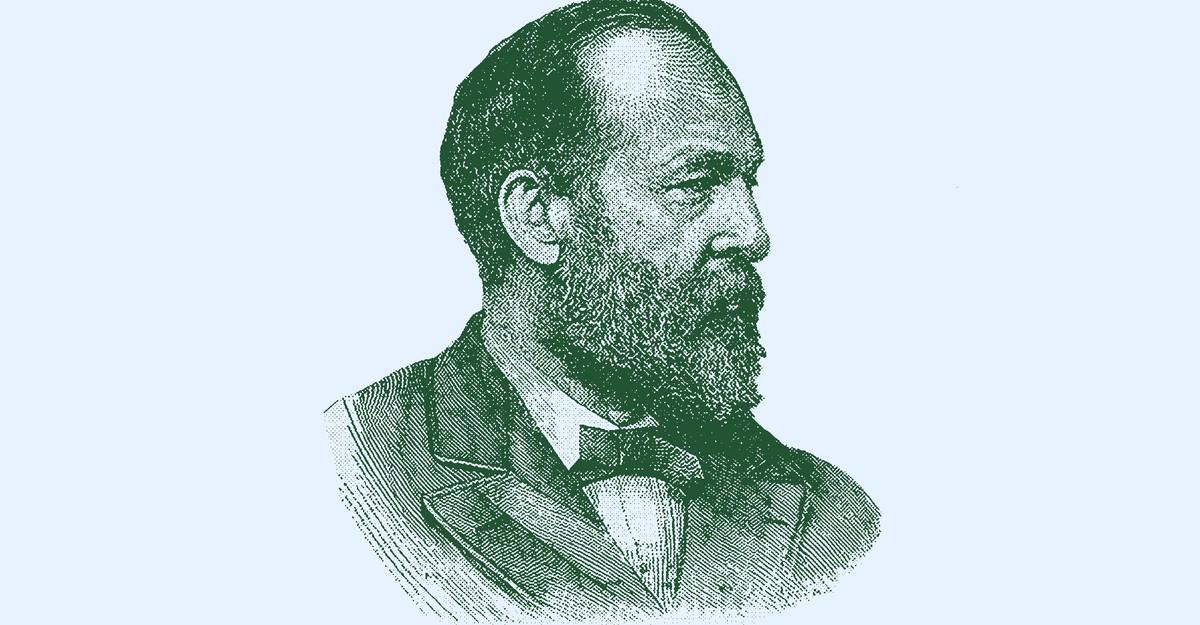
"After his death, James Garfield got the full Horatio Alger treatment. As well he should have. Garfield, who died in September 1881 from an assassin's bullet and his own doctors' staggeringly inept care, really did rise, as Alger's book phrased it, From Canal Boy to President. Born into poverty in Ohio, Garfield was a striver of tireless industry and integrity, particularly when measured against the slithering creatures that moved through American political life in the Gilded Age."
"Now Garfield has received the prestige television treatment, becoming the subject of the four-part Netflix series Death by Lightning, which premiered last month and covers his nomination and brief presidency. The series presents Garfield as a thoroughly decent figure in a mostly rotten time-and with good reason. If Garfield had his compromises and inner conflicts, he really was serious and principled."
"Alger wrote didactic fiction, the kind of thing that he said would "exert a wholesome influence on his young readers." With Garfield, the lessons came from the story of his life: born in a log cabin, raised to labor on a farm, stood up to bullies, expanded his mind by diligent application, and performed heroic service in the Civil War. Garfield came to public service honestly, which is to say reluctantly."
James Garfield rose from poverty in Ohio to the presidency through tireless industry, integrity, Civil War service, and self-education. He died in September 1881 from an assassin's bullet and from the effects of staggeringly inept medical care. Horatio Alger framed Garfield's life as From Canal Boy to President, a didactic rags-to-respectability story of moral uplift. A prestige Netflix series, Death by Lightning, portrays Garfield as decent and principled amid a corrupt Gilded Age, yet that depiction reads as a hollow revival of the Alger myth. Garfield initially viewed politics as a crooked racket and entered public life reluctantly.
Read at The Atlantic
Unable to calculate read time
Collection
[
|
...
]