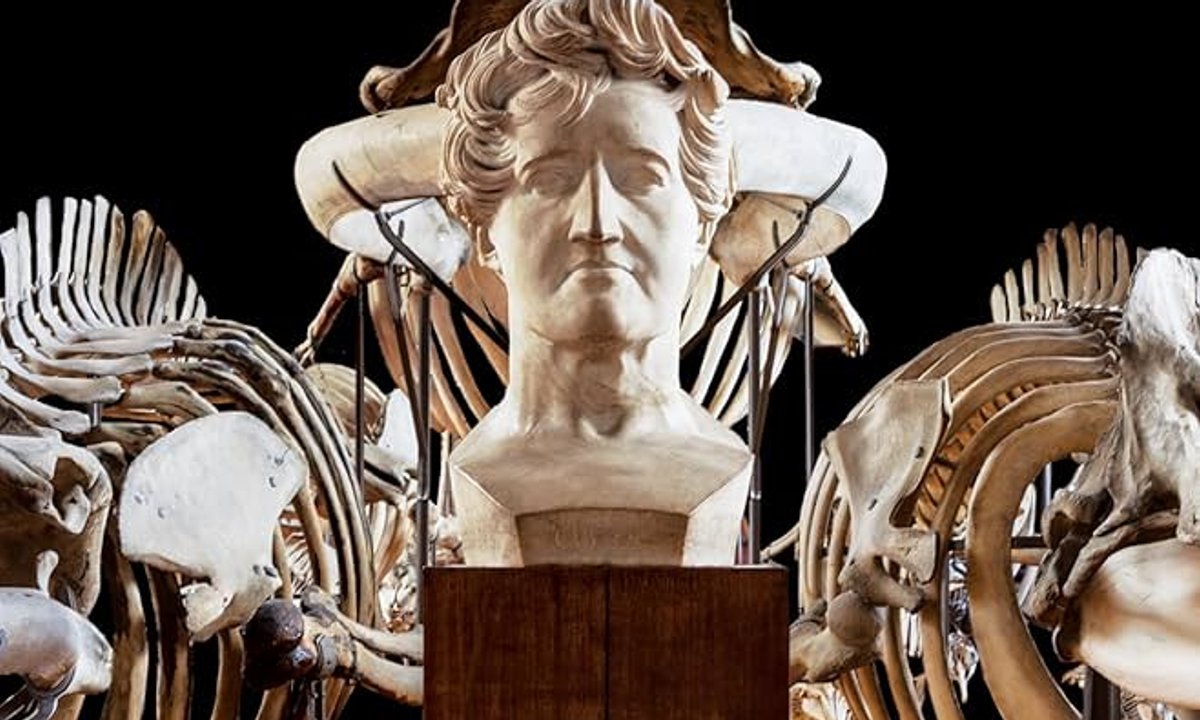
"The concept of pi was coined in 17th-century Ming China to describe the mental condition of obsessive art collectors among the Mandarin class of scholarly bureaucrats. It signified a sort of illness, yet one whose sufferers were nonetheless admired for their chutzpah and nobility of vision. Obsessiveness, however peculiar, was deemed to be their saving grace, as opposed to those collectors driven by fashion and profit, who appeared greedy and vapid by comparison."
"Delbourgo, a leading expert on the life and career of Hans Sloane (1660-1753), whose eclectic collection helped to establish the British Museum, contends that underneath their veneer of reason and civility, collectors are febrile, volatile and warped. He opens with the case of Gaius Verres, Sicily's Roman governor in the first century BC, who was prosecuted by Marcus Tullius Cicero for indiscriminately looting the Mediterranean island. Cicero spoke of Verres's singular and furious madness,"
Seventeenth-century Ming China coined the term pi to describe obsessive art collectors among Mandarin scholarly bureaucrats, marking their condition as an illness that also signaled chutzpah and noble vision. Obsessiveness was valued as a saving grace unlike collectors driven by fashion or profit, who appeared greedy and vapid. Collecting practices shifted across epochs from compulsive looting to pious accumulation and magus-like assemblage. Cases include Gaius Verres’s plunder, Cardinal Albrecht’s relic hoard to reduce purgatory, and magus-collectors such as Rudolf II who rejected Reformation austerity. Hans Sloane’s eclectic accumulation contributed to the founding of the British Museum. Each era developed distinct collecting codes in reaction to predecessors.
Read at www.theartnewspaper.com
Unable to calculate read time
Collection
[
|
...
]