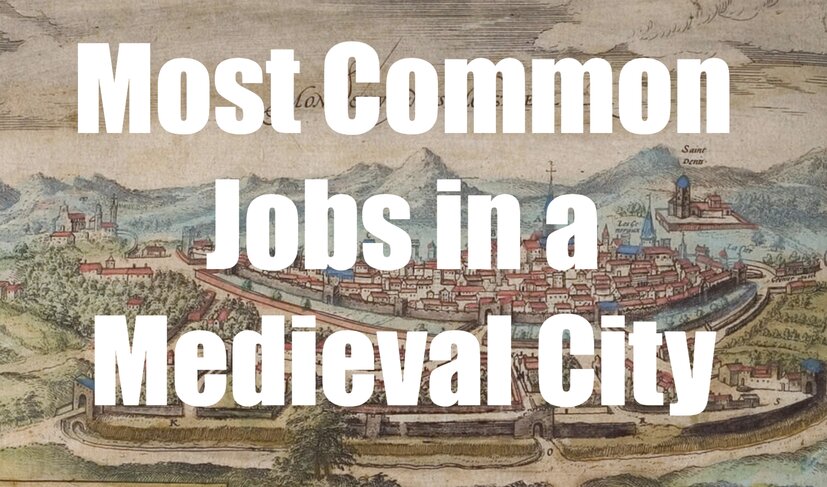
"Peasants made up 25% of the workers whose occupation was known in 1435-1446, and 16.5% of all the taxpayers. In Toulouse and Avignon, in the fifteenth century, peasants made up 17% of the testators with a known occupation."
"Most of the fields were located outside of the city's walls, even if medieval urban centres did count a large number of gardens, orchards and small vegetable beds."
"Urban peasants, called 'ploughmen' in the Montpellier fiscal sources, tilled, sowed and harvested the fields. Others raised cattle, pigs and chickens."
In fifteenth-century Montpellier, a significant urban center in Southern France, the most common occupations included farming, carpentry, butchery, shoemaking, and Church-related work. Tax records from 1435-1446 reveal that peasants constituted 25% of known workers and 16.5% of taxpayers. Urban peasants, referred to as 'ploughmen,' engaged in various agricultural activities, including tilling fields and raising livestock. The city's economy was characterized by a diverse range of occupations due to the fragmentation of production chains during the Middle Ages.
Read at Medievalists.net
Unable to calculate read time
Collection
[
|
...
]