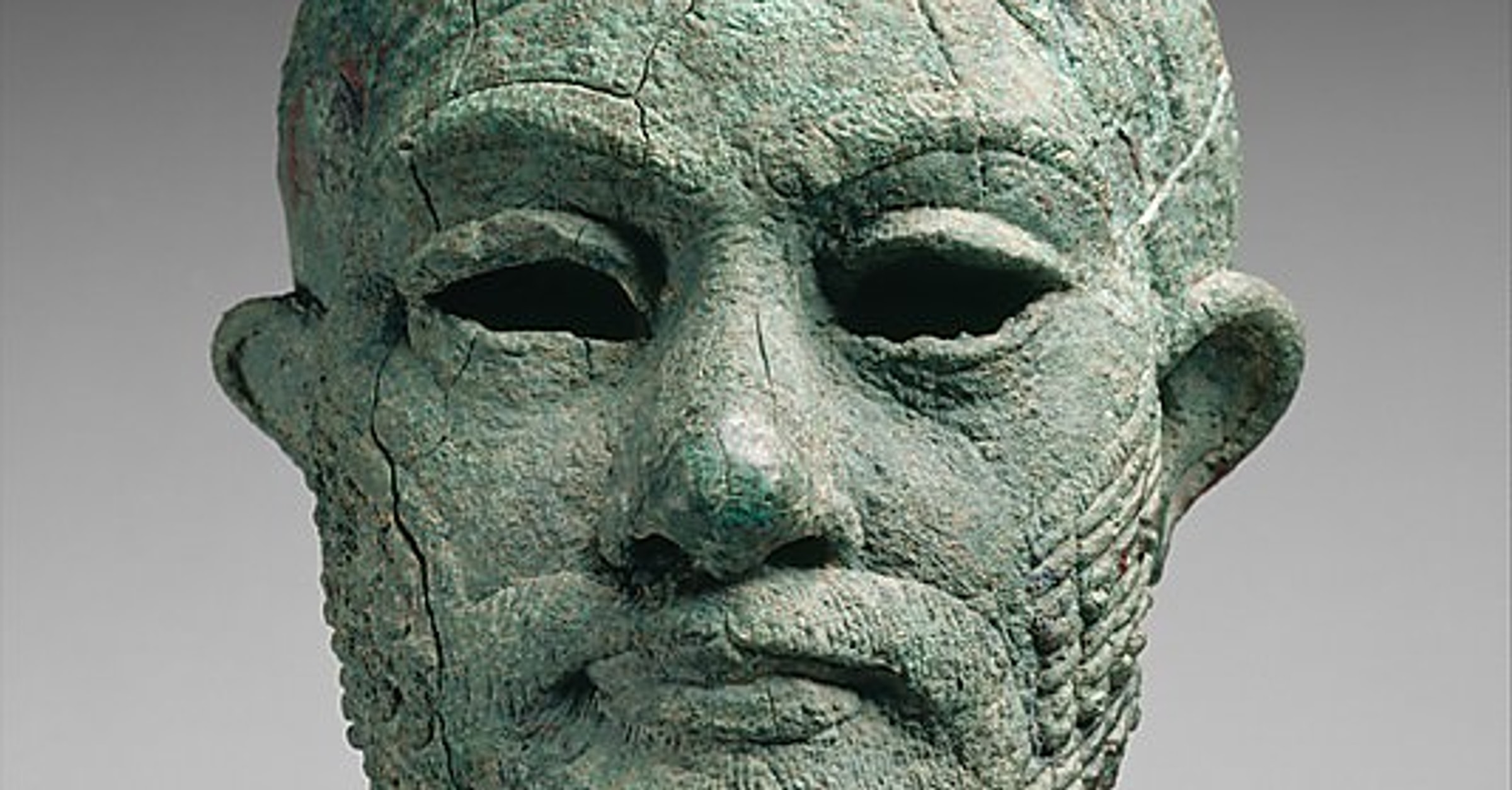
"Naru Literature did not relate what actually happened but created a tale of what could happen if one did not recognize one's proper place in the universe and behave accordingly."
"The stories that comprised naru literature were highly entertaining and, because they centered on well-known figures from the past, were instantly engaging and encouraged belief in their historical authenticity."
"The most famous example of Naru Literature, although it departs significantly from the form in many respects, is The Epic of Gilgamesh, which gives a transcendent, mythical role to the historical king of Uruk."
"The copies of such stories found at sites such as Nineveh and Mari attest to their popularity in ancient Mesopotamia, indicating their significant cultural impact."
Naru Literature emerged around the 2nd millennium BCE, focusing on famous historical figures, particularly kings, and their interactions with the gods. This genre became popular, often overshadowing actual historical events. Notable examples include The Legend of Sargon and The Curse of Agade, which were accepted as authentic history. The Epic of Gilgamesh, while differing in form, exemplifies this genre by portraying Gilgamesh's mythical quest for meaning. Naru Literature crafted narratives that emphasized moral lessons about recognizing one's place in the universe.
Read at World History Encyclopedia
Unable to calculate read time
Collection
[
|
...
]