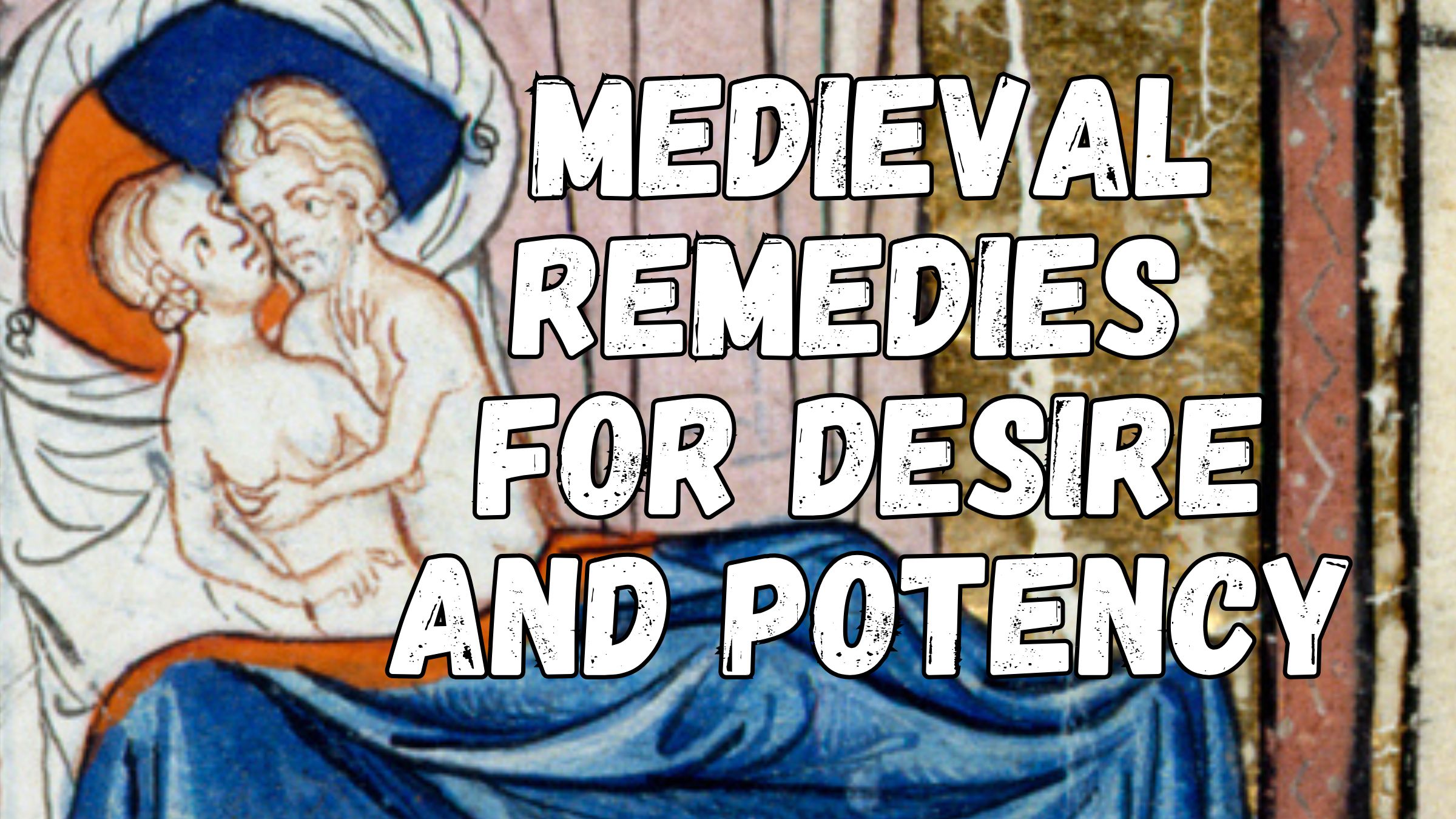
"Medieval medical writers didn't shy away from sexual topics-they offered practical advice, foods to try, and prescriptions meant to boost desire and potency. In one of the Middle Ages' most widely used medical textbooks, the physician Ahmed Ibn al-Jazzar lays out why men might struggle with sexual performance and what could be done about it, from everyday ingredients like chickpeas and turnips to carefully measured electuaries and beverages."
"Born into a family of doctors, he established his own practice and wrote widely on medicine, especially in Provisions for the Traveller and Nourishment for the Sedentary - a title that is slightly misleading, as it offers an in-depth guide to health from head to toe. The book concentrates on ailments and treatments, and by the twelfth century it had been translated into Greek, Latin, and Hebrew and was widely used in Europe for the rest of the Middle Ages."
"The power of sexual intercourse will only be at its best, when the temperament of the testicles is warm and moist, in a balanced measure of close to a balance, for warmth increases lust, while moisture increases sperm. If, however, the temperament of the testicles is changed very much, the power for sexual intercourse will not be proper and balanced."
Medieval medical practice addressed sexual topics with practical treatments and dietary guidance aimed at increasing desire and potency. Medical theory attributed male sexual dysfunction to humoral imbalance, especially altered warmth and moisture in the testicles. Warmth was said to increase lust while moisture increased sperm; extreme changes produced impotence or flaccidity. Recommended remedies included specific foods (such as chickpeas and turnips), electuaries, and measured beverages designed to restore testicular temperament. Medical manuals circulated widely after translation into Greek, Latin, and Hebrew, influencing European practice. Successful physicians accumulated significant wealth and large book collections reflecting the value of medical knowledge.
Read at Medievalists.net
Unable to calculate read time
Collection
[
|
...
]