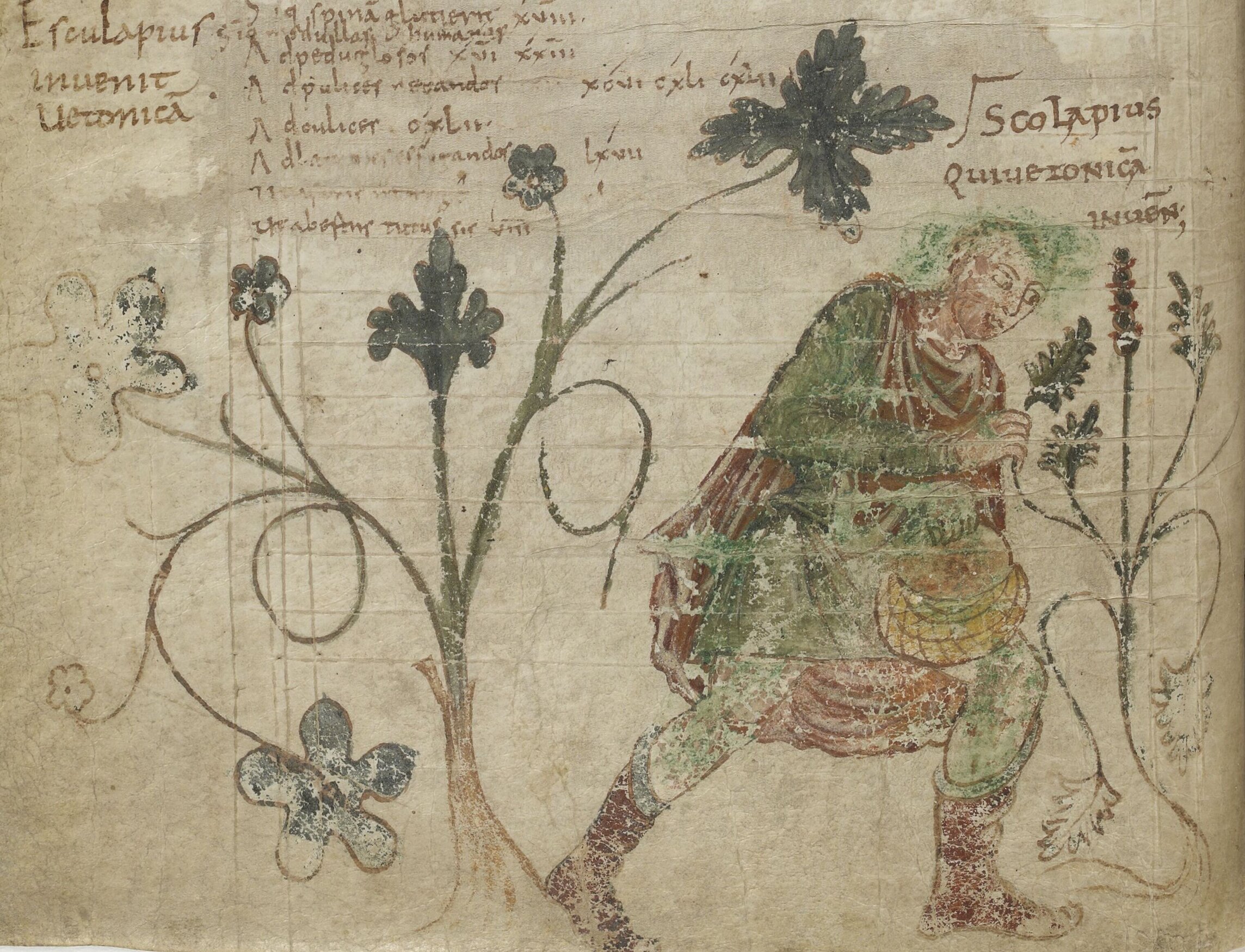
"Using pollen data from six lake sediment cores, researchers reconstructed 4,000 years of plant diversity in the western Lake Constance region. Their analysis shows a 48% rise in plant richness between 500 and 1000 CE, during which the number of estimated plant taxa increased from around 27 to 40. Shannon's Diversity Index - a standard measure of ecological diversity - increased by 23%, which corresponds to a 65% rise in the effective number of taxa."
"They also demonstrate that human activity does not inevitably lead to biodiversity loss and that medieval agricultural systems offer lessons for sustainable land management today. "Human communities can support biodiverse landscapes, and have done so for long periods of time in the past," explains Adam Izdebski of the Max Planck Institute of Geoanthropology. The Lake Constance case, he says, represents "a success story in human-environment interactions.""
Medieval communities around Lake Constance increased plant diversity markedly between 500 and 1000 CE, reaching a 4,000-year peak near the year 1000. Pollen data from multiple lake sediment cores show estimated plant taxa rising from about 27 to 40, a 48% increase, while Shannon's Diversity Index rose 23%, equating to a 65% rise in effective taxa. The biodiversity surge coincided with new agricultural practices, population growth, expanded trade, and monastic land management linked to the Monastery of St. Gall. Human land use produced an ecological mosaic that supported expanded plant life rather than landscape degradation.
Read at Medievalists.net
Unable to calculate read time
Collection
[
|
...
]