"Medieval texts often describe food as a marker of class, status, and religious identity, but written sources rarely reveal how such distinctions played out for individuals. "Scholars knew that food was an important social marker in medieval England, and there are lots of textual references to different groups and classes eating differently," says co-author of the study, Professor John Robb from the University of Cambridge. "We wanted to see if this was simply a stereotype or actually resulted in lifelong choices that affected people's bodies.""
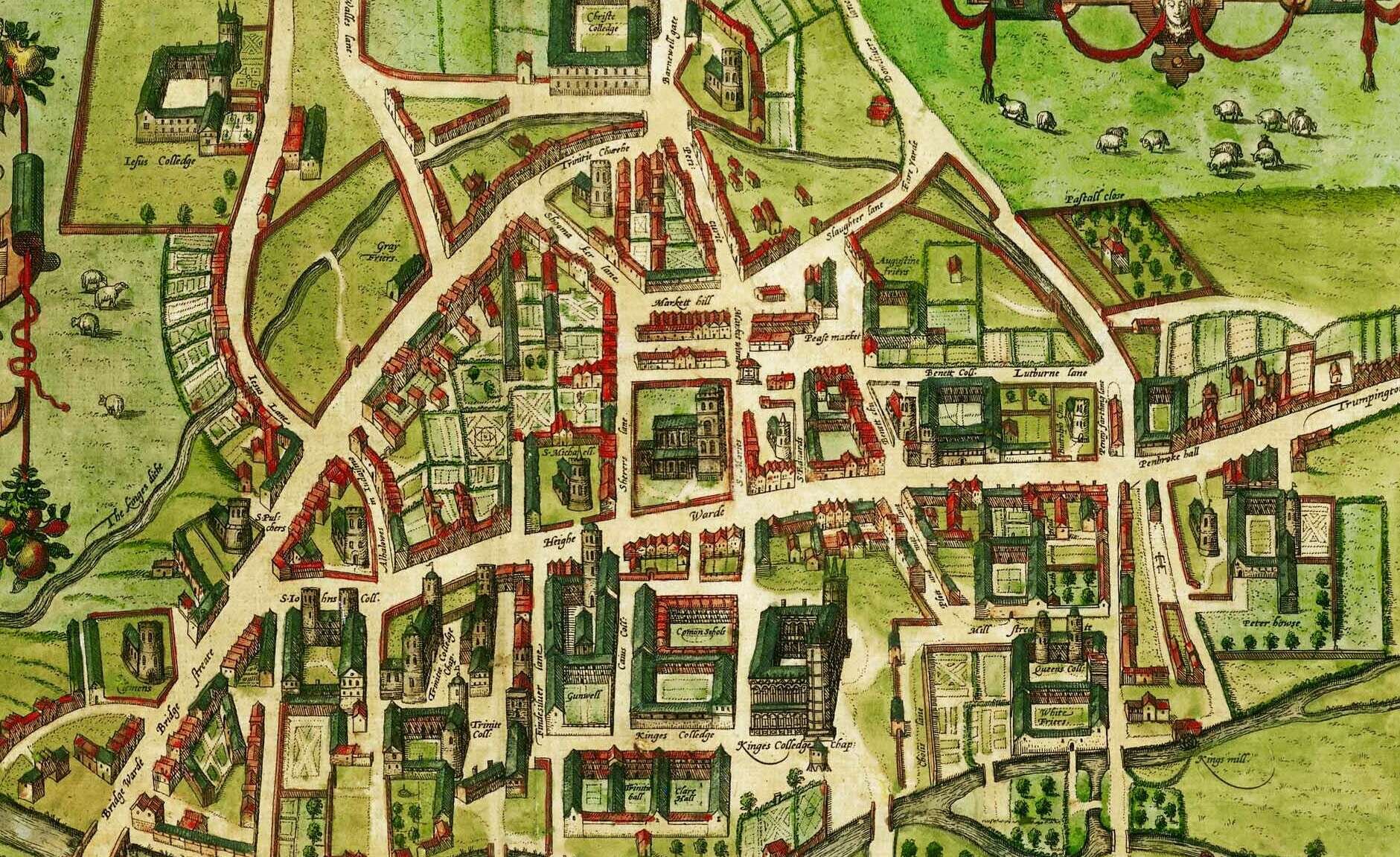
"Many isotope studies have focused heavily on monastic or other institutional communities, so the researchers aimed for a broader cross-section of local society by drawing from multiple cemeteries within the same town and its immediate surroundings. They selected four burial contexts in Cambridge representing different social positions: two parish cemeteries (All Saints by the Castle serving the urban community and Cherry Hinton for the rural), a wealthy Augustinian Friary, and St John's Hospital,"
Chemical signatures preserved in human bone reveal measurable dietary differences across social groups in Cambridge from the 10th to 16th centuries. Carbon and nitrogen isotopes in bone collagen indicate lifetime sources of dietary protein and differentiate diets heavier in animal protein from those relying on plant-based staples. Four burial contexts were compared—two parish cemeteries (urban and rural), a wealthy Augustinian Friary, and St John’s Hospital serving the poor. The comparisons demonstrate clear dietary distinctions among ordinary townspeople, wealthy friars, and the poor, reflecting social inequality expressed through long-term food consumption.
Read at Medievalists.net
Unable to calculate read time
Collection
[
|
...
]