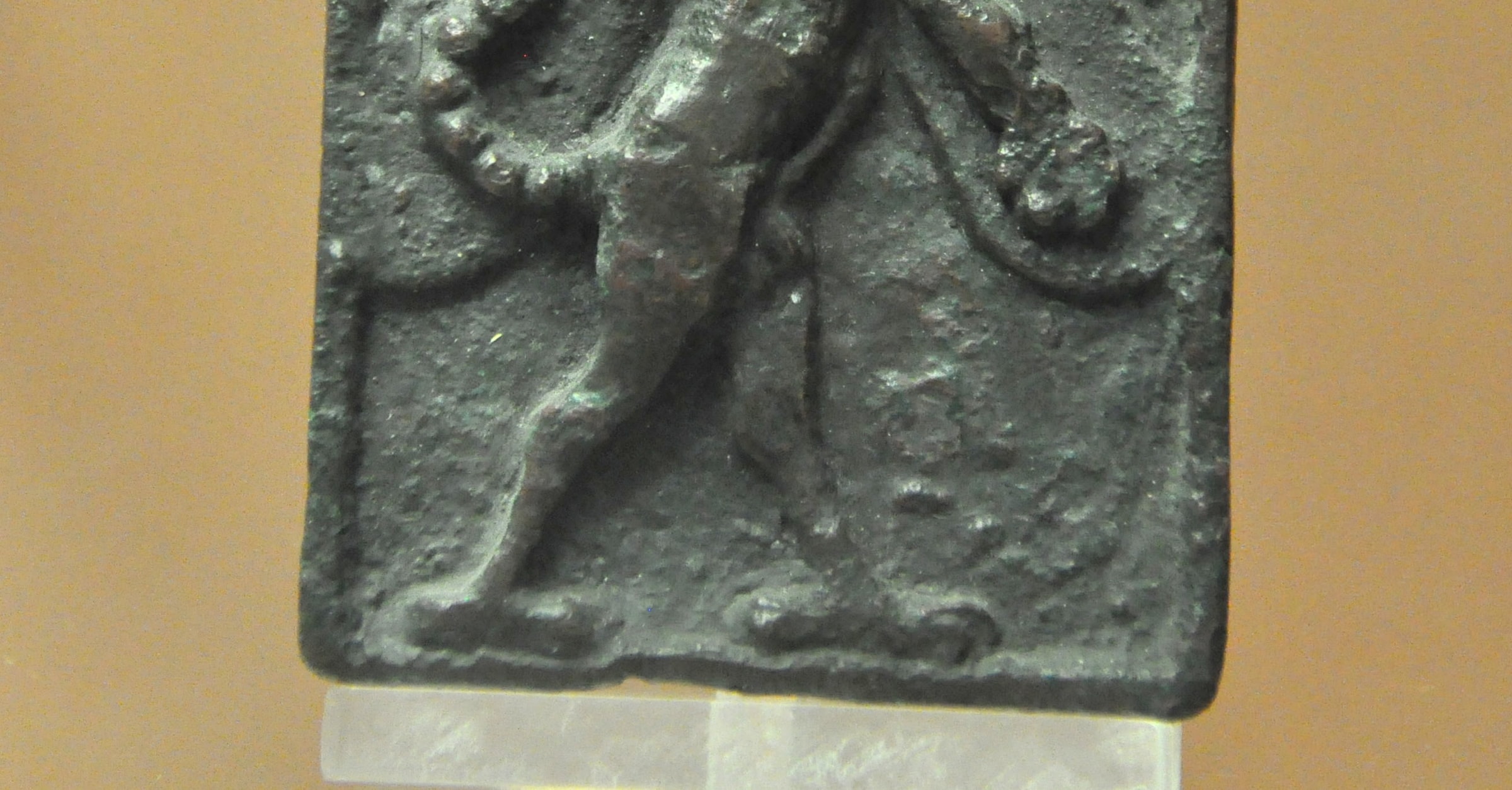
"When that time was up, each person went to the underworld, known by many names over the centuries but best as Irkalla - the land of no return. The divine aspect of the person lived on in Irkalla, a dark place of dust and puddles, and it relied on the living to sustain them through remembrance and sacrifice, especially by daily offerings of cool water."
"It was also understood that the body of the deceased required proper burial with all respect, including grave goods they would need in Irkalla. If the funerary ritual was not observed correctly, or if the family of the deceased failed to remember them through sacrifice, prayer, and libations, the gods granted the spirit permission to return to the land of the living and haunt those who had forgotten their responsibilities."
Mesopotamians believed humans were co-workers with gods, created from clay and animated with divine breath, but each life had a set time. After death, the divine aspect entered Irkalla, a dark underworld sustained by the living through remembrance, sacrifices, and daily offerings of cool water. Proper burial and grave goods were required so the dead could exist in Irkalla. Failure to perform funerary rites or remember the deceased allowed spirits to return and haunt the living. Stray or unburied dead could also cause illness or misfortune, linking burial practices to family obligations.
Read at World History Encyclopedia
Unable to calculate read time
Collection
[
|
...
]